🏡 St. Petersburg Real Estate: Neighborhoods, Homes & Local Insight
St. Petersburg is not one uniform real estate market. Downtown condominiums, historic neighborhoods, inland residential areas, and waterfront communities offer different combinations of housing, walkability, flood exposure, insurance costs, boating access, maintenance, and long-term resale considerations.
The right location depends on both the lifestyle you want and the ownership costs and risks you are comfortable accepting.
📍 Comparing St. Petersburg Neighborhoods
These areas illustrate the range of housing and lifestyles available throughout St. Petersburg:
-
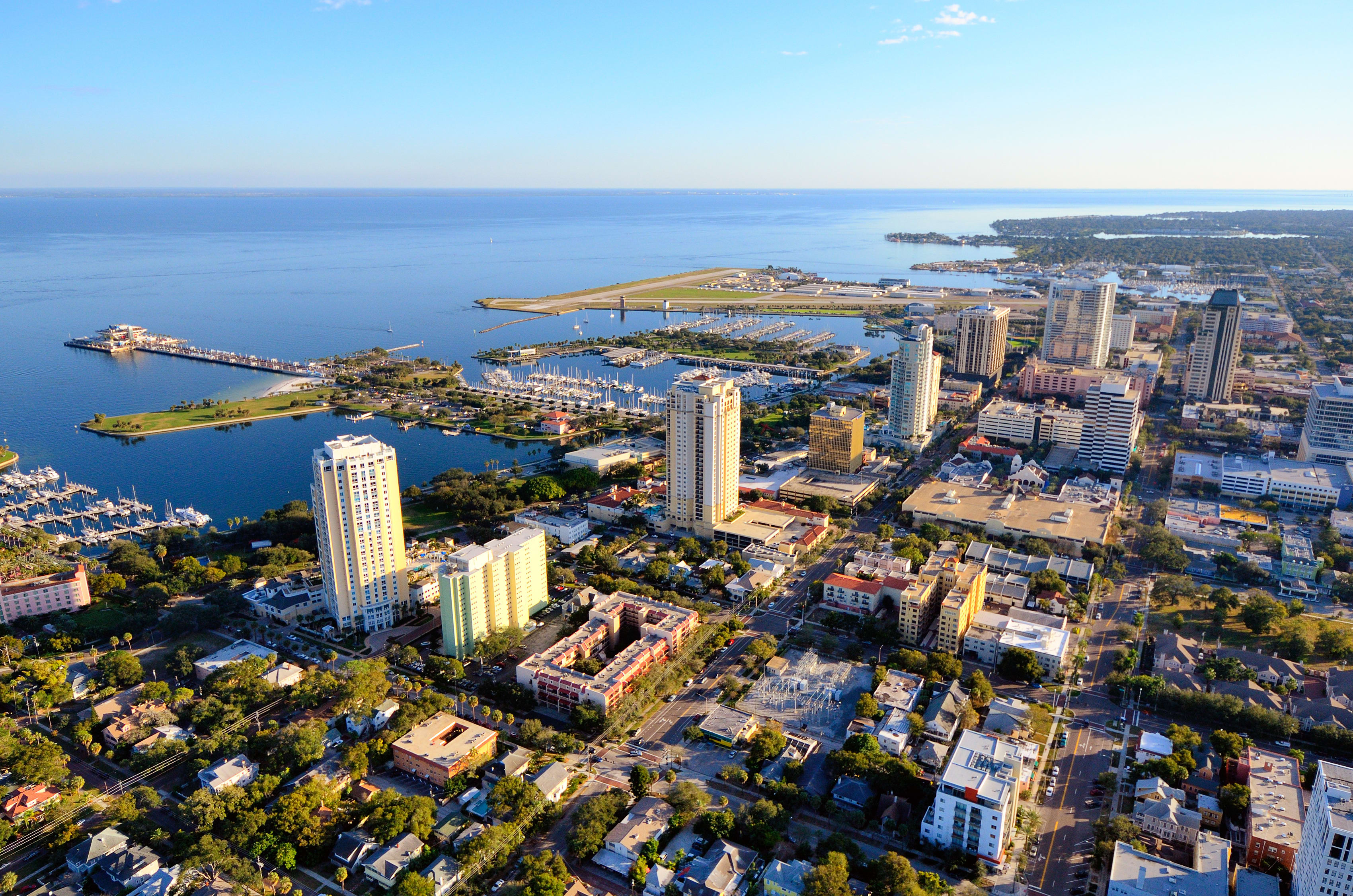
Downtown St. Petersburg – Condos, townhomes, luxury towers, waterfront parks, restaurants, museums, events, and an urban lifestyle.
-
Old Northeast – Historic homes, brick streets, mature landscaping, waterfront parks, and proximity to downtown.
-
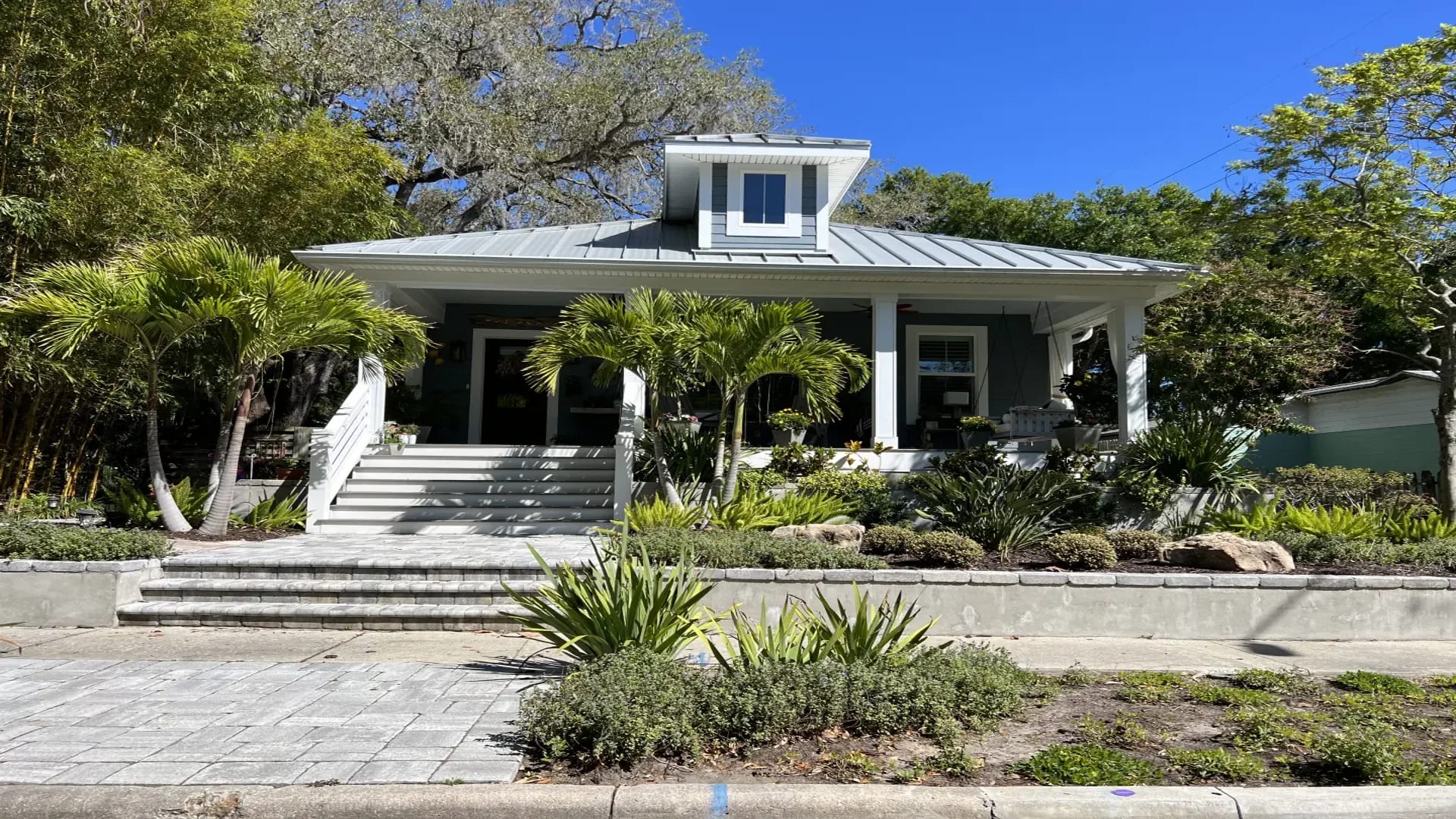
Historic Kenwood – Bungalows, architectural character, community involvement, and access to the Central Avenue corridor.
-
Crescent Lake – Older homes, a neighborhood park, and convenient access to downtown.
-
Snell Isle – Luxury homes, waterfront properties, boating opportunities, and proximity to downtown.
-
Shore Acres – Canal-front and waterfront properties with boating access, along with important flood, elevation, and insurance considerations.
-
Coquina Key – Condominiums, single-family homes, and waterfront properties southeast of downtown.
-
Pink Streets and Pinellas Point – Established residential streets, mid-century homes, open-water locations, and varying elevations and flood designations.
-
Jungle Prada – Established homes, mature landscaping, historical character, and access to the western side of St. Petersburg.
For a deeper neighborhood comparison, visit Best Neighborhoods to Live in St. Petersburg, FL or explore Pink Streets, Jungle Prada and St. Petersburg’s Hidden-Gem Neighborhoods.
🏠 Types of Homes for Sale in St. Petersburg
St. Petersburg real estate includes:
-
Single-family homes
-
Historic bungalows and cottages
-
Mid-century ranch homes
-
Downtown and waterfront condominiums
-
Townhomes and maintenance-free communities
-
Canal-front homes and boating properties
-
Luxury waterfront estates
-
New-construction homes and infill development
-
Duplexes and other income-producing properties
-
55+ condominiums and communities
Property type can affect more than the purchase price. Insurance eligibility, flood coverage, roof age, electrical and plumbing systems, association fees, condominium reserves, assessments, rental restrictions, and maintenance requirements can substantially change the true cost of ownership.
🚶 Walkability & Daily Living
Downtown St. Petersburg offers the city’s largest concentration of restaurants, museums, entertainment, waterfront parks, events, and condominium living. Old Northeast, Historic Kenwood, Crescent Lake, and neighborhoods near Central Avenue provide different levels of walkability while maintaining a more residential setting.
Buyers should decide what walkability means for their daily routine. Walking to restaurants and entertainment is different from conveniently reaching groceries, parks, schools, healthcare, or work. Parking, traffic, noise, and proximity to major roads should also be considered.
🌊 Flood Zones, Elevation & Insurance
Flood risk is one of the most important differences between St. Petersburg properties. Waterfront and canal-front homes may provide boating access and premium views, but they can also involve greater flood exposure, insurance expenses, and storm-related risk.
Inland neighborhoods may provide more Flood Zone X opportunities, but Flood Zone X does not guarantee that a property will never flood. Buyers should evaluate the specific property’s flood designation, elevation, prior flood history, insurance estimates, inspection results, and surrounding drainage conditions.
Use the Pinellas County Flood Zone Guide to understand flood maps, insurance considerations, and the difference between a flood-zone designation and actual property elevation.
💰 Compare the Complete Cost of Ownership
Two similarly priced St. Petersburg properties can have substantially different ownership costs. Before purchasing, compare:
-
Homeowners, wind, and flood-insurance estimates
-
Property taxes and applicable exemptions
-
Roof, electrical, plumbing, HVAC, and water-heater condition
-
Condominium or homeowners-association fees
-
Condominium reserves and pending assessments
-
Required repairs and deferred maintenance
-
Flood history and property elevation
-
Seawall, dock, and waterfront maintenance
-
Rental and pet restrictions
-
Resale demand within the immediate neighborhood
A lower purchase price does not necessarily make a property more affordable when insurance, association expenses, assessments, or major repairs are included.
🗺️ Search St. Petersburg by ZIP Code
St. Petersburg ZIP codes can include multiple neighborhoods with different housing styles, elevations, flood designations, and price ranges. ZIP codes are useful for organizing a home search, but buyers should evaluate the specific neighborhood and property rather than treating an entire ZIP code as one market.
Use the Pinellas County ZIP Code Map to compare locations, communities, and nearby areas.
FAQ — St. Petersburg Real Estate & Relocation
Where is the best place to live in St. Petersburg, Florida?
The best location depends on your budget, preferred housing type, commute, and whether you prioritize walkability, historic character, boating access, waterfront views, or lower flood exposure. Downtown, Old Northeast, Historic Kenwood, Crescent Lake, Snell Isle, Coquina Key, Jungle Prada, and Pinellas Point offer different combinations of these features.
What is the current housing-market situation in St. Petersburg?
St. Petersburg is not one uniform market. Inventory, pricing, buyer competition, and negotiating leverage can vary between downtown condos, historic homes, inland neighborhoods, waterfront properties, and storm-affected areas. Current neighborhood-level listings and recent comparable sales provide more decision-making value than a single citywide number.
What types of homes are available in St. Petersburg?
St. Petersburg offers single-family homes, historic bungalows, mid-century ranch homes, downtown condos, townhomes, new construction, 55+ communities, waterfront estates, boating properties, and income-producing real estate.
What are the pros and cons of living in St. Petersburg?
Advantages include waterfront recreation, walkable districts, arts and entertainment, boating access, nearby beaches, and diverse housing options. Potential drawbacks include flood exposure in some neighborhoods, insurance expenses, storm risk, traffic, and higher ownership costs for certain waterfront and condominium properties.
Is it cheaper to live in St. Pete or Tampa?
It depends on the neighborhood and property type. Purchase price is only one part of the comparison. Property taxes, homeowners insurance, flood insurance, association fees, commuting costs, and maintenance can materially affect the total cost of living in either city.
Is it better to live in Clearwater or St. Petersburg?
St. Petersburg offers a larger urban core, downtown condominium market, historic neighborhoods, and extensive waterfront recreation. Clearwater may appeal more to buyers prioritizing Clearwater Beach, North Pinellas, or access to northern parts of the Tampa Bay area. The better choice depends on commute, lifestyle, budget, and preferred property type.
Is St. Petersburg, Florida a good place to retire?
St. Petersburg can appeal to retirees seeking warm weather, waterfront recreation, cultural attractions, healthcare access, condominiums, and 55+ housing options. Buyers should compare insurance expenses, association fees, flood exposure, accessibility, maintenance responsibilities, and proximity to everyday services.
What is the safest neighborhood in St. Petersburg?
Safety can vary within neighborhoods and change over time. Buyers should review current law-enforcement data, visit prospective neighborhoods at different times, and investigate the specific streets and surroundings they are considering rather than relying on a subjective neighborhood ranking.
Are there flood zones in St. Petersburg?
Yes. Coastal, waterfront, and canal-front areas frequently have greater flood exposure, while many inland properties are designated Flood Zone X. Every property should still be evaluated individually using its flood designation, elevation, insurance estimates, flood history, and surrounding drainage conditions.
Which beach is nicer, Clearwater Beach or St. Pete Beach?
Clearwater Beach has a larger resort and tourism presence, while St. Pete Beach generally offers a more residential beach-town atmosphere. Buyers should also compare traffic, condominium expenses, flood exposure, rental restrictions, and access to the parts of Pinellas County they visit most often.
What airport do you fly into for St. Petersburg, Florida?
Tampa International Airport is the primary airport used by many St. Petersburg residents and generally provides the broadest selection of flights. St. Pete–Clearwater International Airport is another convenient option, depending on the airline and destination. Travel time varies by neighborhood, traffic, and bridge conditions.
What are the Pink Streets in St. Petersburg?
The Pink Streets are located in the Pinellas Point area and are known for pink-tinted roadways, mature landscaping, mid-century homes, and proximity to open water. Flood designation and elevation vary by property and should be checked individually.
Get Your Home Value & Selling Plan
Book a 30-Minute Planning Call

Your Local Real Estate Advisor
Todd Howard, Realtor® | Charles Rutenberg Realty
GRI • RENE • PSA • SRS • ABR
Serving Pinellas County since 2018
📞(727) 304-3398 | 📨 toddhowardpa@gmail.com
Why Choose Todd