
Moving to Pinellas & Tampa Bay? Your Complete Relocation Guide
Relocating to the Tampa Bay area? Whether you're coming from out of state or shifting across Florida, this guide walks you through everything you need to know: where to live, what it costs, how to plan, and what flood and insurance factors to watch for. As a local Pinellas Realtor®, I’ve helped dozens of families relocate with confidence—and this version includes insider tips, updated links, and a downloadable checklist to make your move smooth.
Is Tampa Bay a good place to live for relocation buyers?
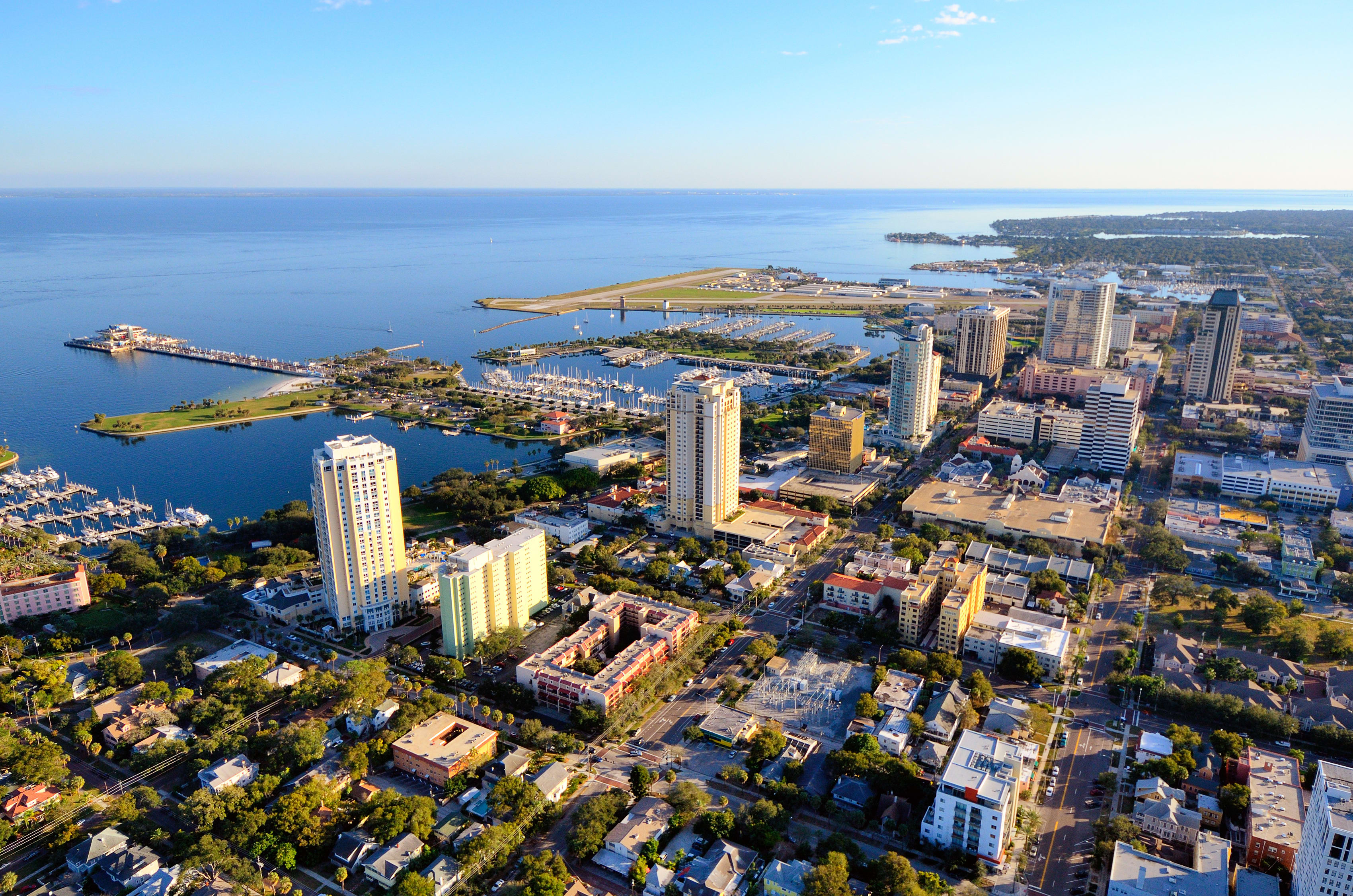
Yes—Tampa Bay is one of the most popular relocation destinations in Florida because it combines no state income tax, coastal lifestyle, and relatively affordable housing compared to other major metro areas. Buyers can choose between urban living in Tampa, walkable coastal cities like St. Petersburg, and suburban areas in Pinellas with varying price points and flood risk levels. The key is choosing the right location based on commute, insurance costs, and elevation, not just the city itself.
🌴 Why Move to Tampa Bay?
The Tampa Bay region continues to rank among the top relocation destinations in the U.S., thanks to a rare mix of coastal lifestyle, no state income tax, walkable cities, and a growing job base. The metro area—including St. Pete, Clearwater, Tampa, and surrounding suburbs—has grown by more than 7% in the last five years, with inbound moves from New York, Illinois, and California leading the charge. (Tampa Bay Times – 2025 Census Update)
💲 Cost of Living Overview
Here’s what you can expect in the Tampa Bay area as of late 2025:
Median home price (Sept 2025): $455,000 across the region. (PRO – Sept 2025 Stats)
- Rental market: $1,700–$2,500/month for 1–2BR apartments, depending on neighborhood. (RentCafe – 2025 Calculator)
- Cost of living index: Slightly below national average in Tampa; slightly above average in coastal Pinellas.
- Flood insurance: Average NFIP premium ranges from $950–$2,100/year depending on zone.
I walk through these costs during every relocation consult—including property taxes, insurance, and commute impact by ZIP code.
🏘 Top Neighborhoods to Consider
Here’s a quick breakdown of popular relocation areas by vibe and price tier:
- St. Petersburg: Walkable downtown, arts district, beach access. Popular ZIPs: 33701, 33705, 33713
- Dunedin & Palm Harbor: Golf cart zones, top schools, lower flood risk inland. 33763, 34683
- Clearwater / Largo: Centrally located, access to beaches and parks. Watch for VE flood zones.
- Tampa (South Tampa / Seminole Heights): Urban lifestyle, short commutes, mix of new construction and bungalows.
🌊 Flood Zones & Insurance Tips
In Pinellas and Hillsborough counties, flood zones play a big role in where and what to buy:
- 🔍 Check the zone: I pull FEMA flood maps and Elevation Certificates during every home search.
- 💡 Zone X: No mandatory flood insurance, but still smart to carry a low-cost policy.
- ⚠️ Zone AE/VE: May require elevation certificate and NFIP or private flood policy.
- 🏚 Older homes: Roof age, electrical panels, and wind-mitigation credits greatly affect insurance quotes.
💼 Jobs, Commute & Lifestyle
Top employers: BayCare, Raymond James, USF, MacDill AFB, Tampa General, St. Pete Innovation District
Commute planning: Be mindful of bridge crossings (Howard Frankland, Gandy, Courtney Campbell). A 15-mile commute between Pinellas and Tampa can take 45+ minutes during rush hour.
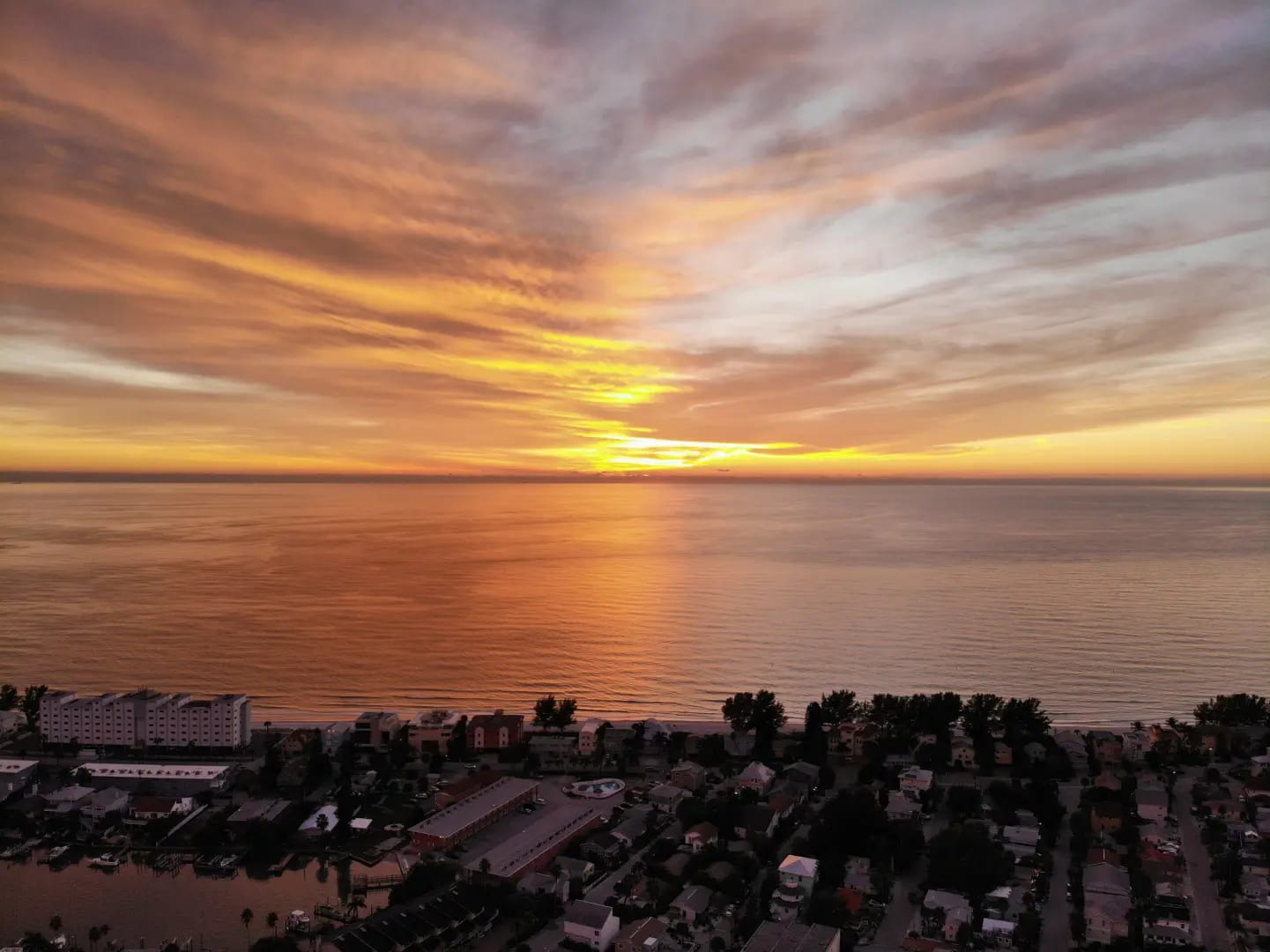
Lifestyle: Over 240+ sunny days/year, walkable downtowns, dog-friendly breweries, farmer’s markets, coastal golf, and waterfront trails.
📋 Your Relocation Checklist
- ✔ Confirm job transfer, remote status, or timeline
- ✔ Budget for housing, flood, insurance, closing costs
- ✔ Explore neighborhoods by ZIP, elevation, schools, and lifestyle
- ✔ Schedule virtual or in-person tour days with a local agent (me ✅)
- ✔ Run insurance/flood estimates BEFORE making an offer
- ✔ Choose movers, transfer utilities, and set up mail forwarding
- ✔ Download your relocation worksheet + moving timeline
Dive deeper into neighborhoods, flood zones, lifestyle, and local market trends in our Pinellas County Real Estate Resource Center.
Frequently Asked Questions About Moving to Tampa Bay & Pinellas County
Is St. Petersburg, Florida a good city to live in?
Yes—St. Petersburg is one of the most desirable places to live in Florida due to its walkable downtown, waterfront lifestyle, and strong housing demand. It offers a mix of condos, historic neighborhoods, and newer construction with access to beaches, dining, and arts. The main trade-offs are higher home prices in popular areas and increased insurance and flood considerations near the water.
Should I move to Tampa or St. Petersburg?
Move to Tampa if you prioritize job proximity, newer construction, and a more urban business environment. Choose St. Petersburg if you want a walkable coastal lifestyle, vibrant downtown, and access to beaches. Most buyers decide based on commute vs lifestyle—Tampa for work convenience, St. Pete for quality of life.
Where is the best place to live in Pinellas County Florida?
The best place to live in Pinellas County depends on lifestyle, budget, and flood risk. St. Petersburg is best for walkability and city living, Dunedin and Safety Harbor offer small-town charm, and Palm Harbor provides suburban neighborhoods with lower flood exposure inland. Clearwater and Largo are typically more affordable with central access. The right choice comes down to elevation, commute, and lifestyle fit.
How much money will I need to move to Florida?
Most buyers need enough for a down payment, 3%–5% in closing costs, moving expenses, and upfront insurance. In Tampa Bay, insurance and taxes can significantly impact your monthly budget, especially in flood zones. Renters should expect first month, last month, and a security deposit. Your total cost depends heavily on location, home price, and insurability.
What are four factors affecting home insurance costs?
The four biggest factors are roof age, flood zone/location, home construction, and wind mitigation features. Newer roofs and updated systems lower risk, while older homes or coastal properties increase premiums. Features like impact windows, elevation, and hurricane protection can significantly reduce costs. In Florida, insurance pricing is driven more by risk than home value.
What are the lowest risk flood zones in Florida?
Zone X is the lowest-risk flood zone and typically does not require flood insurance for financed homes. These areas are outside FEMA high-risk zones, though some risk still exists. Higher-risk zones like AE and VE usually require flood insurance and come with stricter building and elevation considerations. Many buyers target Zone X to reduce long-term costs.
What are the downsides to moving to Florida?
The biggest downsides are rising insurance costs, flood risk in certain areas, and heat and humidity. Buyers must also consider storm exposure and property-specific risks like roof condition and elevation. While Florida offers no state income tax and strong lifestyle benefits, the true cost of ownership depends heavily on the property you choose.
What is the biggest risk of living in Florida?
The biggest risk is hurricane and flood exposure, which can impact insurance, maintenance, and long-term costs. However, risk varies significantly by property—homes in higher elevations or outside flood zones often have fewer concerns. The key is not avoiding Florida, but choosing the right home with manageable risk factors.
Are people moving out of Pinellas County?
Some residents are leaving due to rising insurance and affordability pressures, but overall demand remains strong. Pinellas County continues to attract out-of-state buyers because of its beaches, lifestyle, and limited inventory. The trend is not a mass exit—it’s a shift toward more informed buying decisions focused on flood zones, insurance, and long-term costs.

Todd Howard, Realtor® | Charles Rutenberg Realty
GRI • RENE • PSA • SRS • ABR
📞 (727) 614‑3296 | 📨 toddhowardpa@gmail.com