
Inheriting a home can feel overwhelming—especially if you’re juggling Florida probate, cleanouts, family coordination, title issues, and the decision of whether to list traditionally or consider a verified cash offer. This local guide walks through the first steps, probate types, tax considerations like step-up basis and documentary stamps, and your sale options in Pinellas County.
Quick Answer
Selling an inherited home in Pinellas County involves navigating probate, title requirements, and tax considerations like step-up basis and documentary stamps. The right approach depends on your timeline, property condition, number of heirs, and goals — whether that’s maximizing value through a traditional listing or selling quickly with a verified cash offer. With the right strategy and guidance, you can simplify the process, avoid delays, and make confident decisions during what is often a complex transition.
First 5 Steps
- Secure the home: Keep utilities on, forward mail, check insurance coverage, and make sure the property is being maintained.
- Gather documents: Death certificate, will if available, mortgage or HELOC information, HOA contacts, tax records, and insurance information.
- Start probate if required: The correct path depends on how the property was titled and whether a Personal Representative needs to be appointed.
- Confirm tax status: Review the property record, exemptions, assessed value, and tax information through PCPAO and the Tax Collector.
- Plan the sale timeline: I can help coordinate clean-out, pricing, property condition concerns, a 4-Point inspection, and sale strategy so the family can compare options clearly.
Selling a Parent’s Home Is Different Than a Typical Sale
For many families, selling an inherited home is about more than real estate. It often happens during a period of grief, family decision-making, and financial uncertainty.
Some heirs live locally while others live out of state. Personal belongings may still be in the home. Family members may disagree on whether to sell, keep, rent, or renovate the property.
At the same time, insurance, utilities, property taxes, HOA fees, lawn care, and maintenance continue whether the home is occupied or not.
The key is understanding who has legal authority to act, creating a clear plan, and making decisions based on both the family’s goals and the property’s financial realities.
Probate Pathways: Summary vs. Formal
Probate in Florida is determined by how assets are titled — not just the total value of the estate. If a property was owned solely by the deceased person, probate is typically required before the home can be sold or transferred.
Summary Administration
Summary administration is often used when assets are under $75,000, excluding exempt property, or when the decedent has been deceased for more than two years. It is usually faster than formal administration, but you’ll still need a court order and proper documentation before title can be cleared.
Formal Administration
Formal administration is typically required for larger estates or more complex situations. A Personal Representative is appointed and must receive Letters of Administration before the estate can take major actions, including closing on the sale of a home.
Details: Pinellas Clerk of Court Probate Information · Florida Statutes §735.201
Why Probate Can Be Complicated in Florida
Probate in Florida is a court-supervised process that ensures a deceased person’s assets are properly identified, debts are paid, and remaining property is distributed to the correct heirs. Even when a will exists, the court must validate it and appoint a Personal Representative before major actions — like selling a home — can move forward.
One of the biggest reasons probate feels complex is that it’s not based only on the size of the estate. It is based heavily on how assets are titled. If a property is solely in the deceased person’s name, probate is typically required before it can be sold or transferred.
Delays can also occur due to creditor notification periods, court processing times, missing documents, unclear title, or disagreements between heirs. In formal administration, there is typically a mandatory creditor period that can impact how quickly a home can be sold.
The key to avoiding delays is having the right team in place early — your probate attorney, title company, CPA if needed, and real estate strategy all working together from the start.
Documents, Title & Liens
Buyers and title companies typically require clear documentation before an inherited home can close. The exact documents depend on the estate, title history, and probate status.
Common items may include:
- Death certificate
- Letters of Administration or Summary Administration order
- Recorded deed
- Mortgage or HELOC payoff information
- HOA estoppel certificate, if applicable
- Homestead court ruling, if applicable
- Information about liens, judgments, open permits, or unpaid property taxes
I coordinate the real estate side with your attorney and title representative so the process stays as smooth as possible.
Taxes: Step-Up Basis & Doc Stamps
Step-Up Basis
Inherited homes typically receive a “step-up” in basis to fair market value as of the date of death. If the home sells at or near that value, capital gains may be minimal — but always consult your CPA before making tax decisions.
More: IRS Topic 703: Basis of Inherited Property
Florida Documentary Stamp Tax
Florida documentary stamp tax is charged on the sale deed. In Pinellas County, the rate is generally $0.70 per $100 of the sale price. This is typically paid at closing and handled by the title company.
More: Florida Department of Revenue — Documentary Stamp Tax
Save Our Homes Reset
After ownership transfers, Save Our Homes caps and homestead benefits may be removed or reset depending on the situation. This can affect future property taxes for the next owner. The Pinellas County Property Appraiser’s tools can help preview estimated tax changes.
More: Pinellas County Property Appraiser
Why a Date-of-Death Appraisal Matters
One of the most important tax-related steps when selling an inherited home is establishing the property’s fair market value as of the date of death.
This value is commonly used when calculating the stepped-up basis, which may reduce potential capital gains taxes when the property is eventually sold.
For example, if a home was worth $450,000 on the date of death and later sold for $460,000, the taxable gain may be based on the difference between those two values rather than what the original owner paid decades ago.
Many families obtain a retrospective appraisal shortly after a loved one’s passing to help document this value. Always consult a CPA regarding your specific tax situation.
Sell Options: Traditional Listing vs. Cash Offer
MLS Listing: Often Best Net
A traditional MLS listing is often the best route when the home is in good condition, financeable, and likely to attract retail buyers. This path can create broader exposure and may result in a higher net sale price.
For inherited homes, I help evaluate pricing, condition, buyer demand, inspection concerns, and appraisal risk before the home goes live.
I can also help with a pre-listing 4-Point inspection and pricing strategy so buyers understand the property more clearly before making an offer.
Cash Offer: Speed + Simplicity
A cash offer can make sense when the family wants speed, privacy, fewer repairs, fewer showings, or a cleaner timeline.
This option may be helpful for urgent timelines, vacant homes, deferred maintenance, out-of-state heirs, probate coordination, or families who want to avoid preparing the home for the open market.
I source verified offers, compare net sheets, and help you evaluate the strongest option — not just the fastest one.
Also see: Selling Fast in Pinellas County: Cash Buyers Guide
Selling an Inherited Home With Multiple Heirs
When multiple heirs inherit a property, everyone who has an ownership interest may need to participate in major decisions regarding the home.
In many situations, heirs agree to sell the property and divide the proceeds according to the estate plan or probate order. Other times, one heir may want to keep the property while others prefer to sell.
Common solutions include:
- Listing the property and dividing the proceeds.
- One heir buying out the others.
- Keeping the property as a rental investment.
- Negotiating a settlement when family members disagree.
If an agreement cannot be reached, a court may ultimately order a partition action that forces the sale of the property. Because these situations can become complex quickly, involving the right attorney and real estate professionals early is often beneficial.
Typical Timeline
- Summary administration: Often faster, sometimes measured in weeks depending on court load, document readiness, and the estate situation.
- Formal administration: Often takes several months or longer, especially if creditor periods, disputes, missing documents, or title issues are involved.
- Cash sale after title is clear: Often possible in 7–21 days depending on title, buyer readiness, and seller timing.
- Traditional MLS sale: Timeline depends on preparation, pricing, buyer financing, inspections, appraisal, and closing conditions.
In many cases, the best strategy is to prepare the property and sale plan while probate or title work is underway so the family is ready once legal authority is confirmed.
FAQs About Selling an Inherited Home in Pinellas County
How much does an estate have to be worth in Florida to go to probate?
There is no strict dollar amount that automatically determines whether probate is required in Florida. Probate is based more on how assets are titled than on total value. That said, estates valued under $75,000 (excluding exempt property) may qualify for summary administration, which is a faster and simpler probate process. Larger or more complex estates typically require formal administration. In real estate situations, if a home is titled solely in the deceased person’s name, probate is usually required before it can be sold or transferred.
What assets are exempt from probate in Florida?
Some assets can pass outside of probate in Florida, including jointly owned property with rights of survivorship, life insurance policies and retirement accounts with named beneficiaries, payable-on-death accounts, and assets held in a trust. Florida homestead property may also receive special protections depending on how it is structured. These assets typically transfer directly to beneficiaries without court involvement.
Is probate required if there is a will in Florida?
Yes, probate is often still required even if there is a will. A will does not avoid probate—it provides instructions for how assets should be distributed. The court still needs to validate the will and appoint a personal representative. If real estate is involved, probate is typically required to legally transfer title before a sale can occur.
What is the 10 day rule for probate in Florida?
Florida law generally requires that the original will be filed with the clerk of court within 10 days after the person in possession of the will learns of the death. This is an early procedural requirement and does not mean probate must be completed in 10 days. It helps ensure the will is properly submitted so the probate process can begin.
How long do you have to sell an inherited home in Florida?
There is no specific Florida law requiring heirs to sell an inherited home within a certain timeframe. However, probate requirements, insurance costs, maintenance expenses, mortgages, taxes, and family circumstances often influence how quickly a property is sold. Some inherited homes are sold shortly after probate is completed, while others are retained as primary residences or investment properties.
How much money can you inherit in Florida without paying taxes?
Florida does not have a state inheritance tax, so beneficiaries typically do not pay taxes just for receiving an inheritance. However, if you later sell an inherited home, you may owe capital gains tax depending on the difference between the sale price and the stepped-up basis. This is why many sellers consult a CPA before listing an inherited property.
What are the common mistakes in probate?
Common probate mistakes include delaying the process, assuming a will avoids probate, failing to secure and insure the property, distributing assets too early, and not working with the right professionals. In real estate situations, a major mistake is attempting to sell a property before the personal representative has legal authority, which can delay or stop a closing.
What happens if you don’t file probate in Florida?
If probate is required and not filed, heirs may not have legal authority to transfer ownership, sell property, or access certain assets. For real estate, this often means the home cannot be sold because title cannot be cleared. This can lead to delays, unpaid expenses, and complications until probate is properly opened and completed.
What is the best way to leave your house to your children?
The best strategy depends on your goals, but common options include revocable living trusts, enhanced life estate deeds (Lady Bird deeds), or other estate planning tools designed to avoid probate. Because Florida homestead laws and tax implications can impact this decision, it is important to work with a qualified estate planning attorney such as Castagna Legal Team.
What is the most common inheritance mistake?
One of the most common mistakes is making decisions too quickly without understanding probate, title, taxes, and market value. Families often begin cleaning out the home, promising the property, or making financial decisions before confirming who has legal authority, which can lead to disputes or delays when it’s time to sell.
Can you clean out a house before probate?
You can secure the home and remove perishables right away, but major cleanouts should be handled carefully. Many items may legally belong to the estate, and removing them too early can create conflicts. It is best to coordinate with the personal representative or probate attorney before removing significant contents.
What is the biggest mistake with wills?
A major mistake is assuming a will avoids probate. Another common issue is having an outdated will that does not match current assets or beneficiary designations. Misalignment between the will and how assets are titled can create complications during probate.
Do you need probate for $50,000?
Possibly. A $50,000 estate may qualify for summary administration, but probate may still be required depending on how assets are titled. If assets are solely in the deceased person’s name with no beneficiary designation, probate is typically needed even at lower values.
Ready to Sell an Inherited Home?
Let’s walk through probate, title, property condition, and your best sale options. Whether you want maximum value, maximum speed, or simply a clear plan, I’ll help you compare the numbers and move forward with less stress.

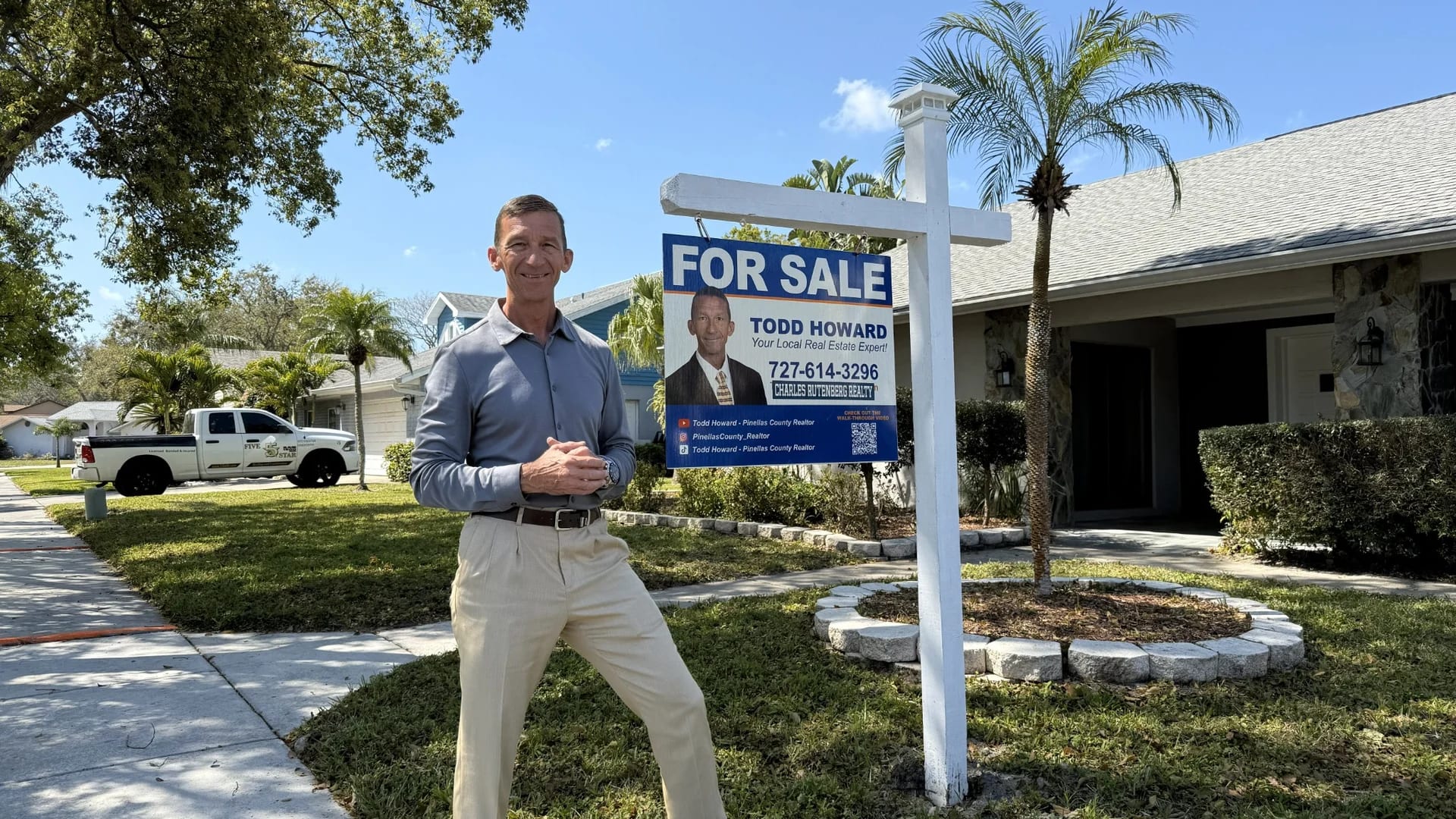
Todd Howard, Pinellas County Realtor
Todd Howard, Realtor® | Charles Rutenberg Realty
GRI • RENE • PSA • SRS • ABR
Serving Pinellas County since 2018
Phone: (727) 304-3398 | toddhowardpa@gmail.com
Book a Call or Schedule an Appointment
Sources
- Pinellas Clerk of Court — Probate
- Florida Statutes §735.201
- Florida Department of Revenue — Documentary Stamp Tax
- IRS — Basis of Inherited Property
- Pinellas County Property Appraiser — Save Our Homes / Property Tax Tools
Todd Howard helps families evaluate and sell inherited property throughout Pinellas County, with service also available in Hillsborough and Pasco counties
Disclaimer:
This guide is for general educational purposes only and is not legal,
tax, or financial advice. Always verify exact costs, taxes, and
insurance with the appropriate professionals and official county or
state sources before making decisions.