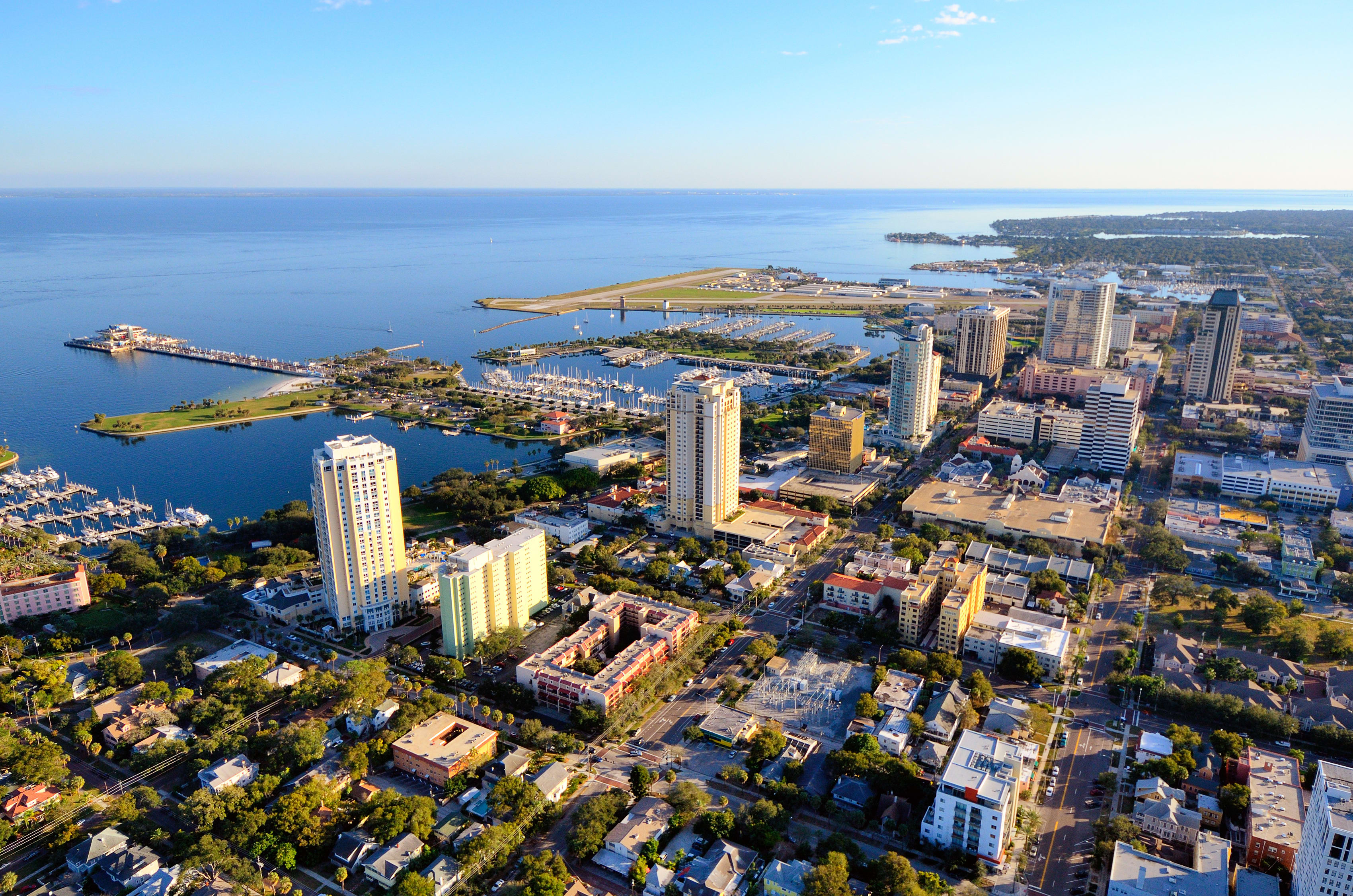
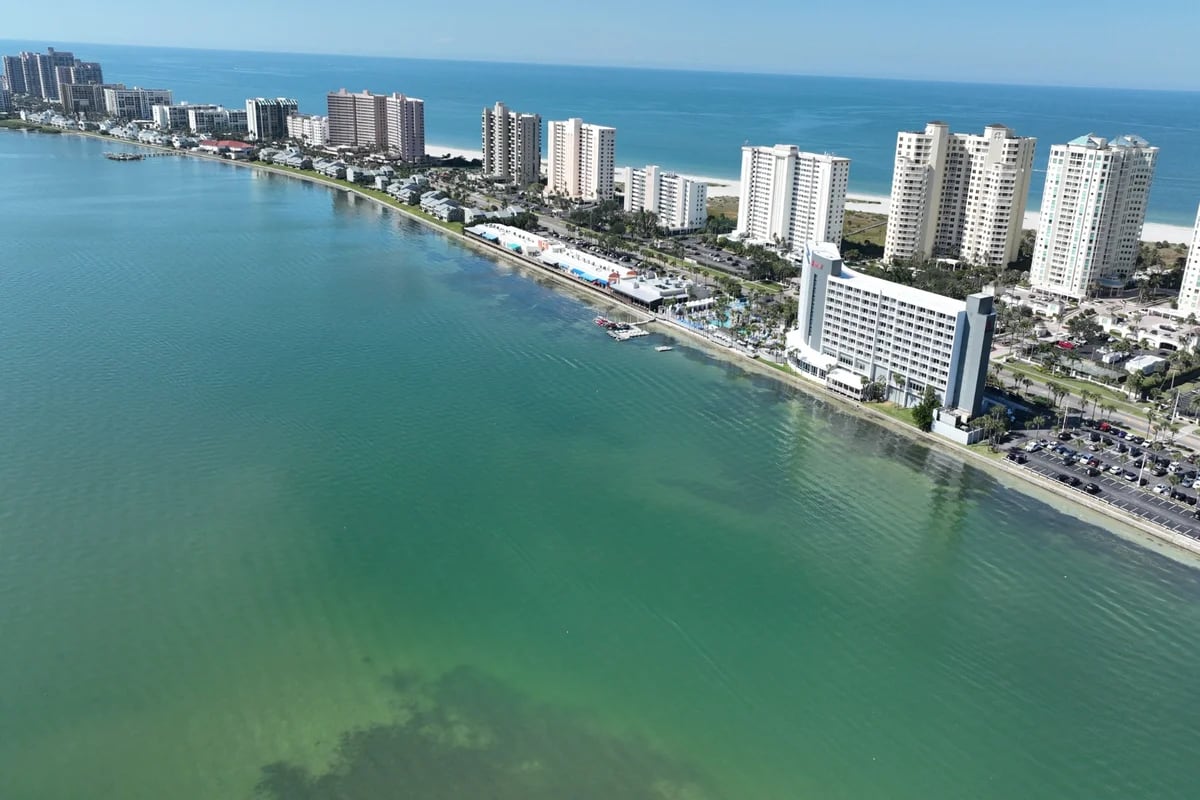

Cost of Living in Pinellas County, FL 🏝️💰
Updated June 2026
Thinking of relocating to Pinellas County—or just tightening up your household budget in today’s economy? With higher insurance rates, a tight housing market, and everyday prices creeping up, it’s crucial to understand what life here really costs in today’s market.
This guide breaks down housing, rent, insurance, flood risk, property taxes, utilities, and everyday living costs so you can plan with confidence—whether you’re buying, renting, downsizing, or moving here from out of state.
If you’re planning a move, start with my complete guide to relocating to Pinellas County for city comparisons, flood zones, timing strategies, and neighborhood selection.
Cost of Living at a Glance
Pinellas County’s overall cost of living sits roughly 3%–6% higher than the U.S. average once you factor in housing, insurance, utilities, and everyday expenses. City-level indexes like Largo and St. Pete Beach both land a bit above 100 (U.S. baseline = 100), reflecting slightly higher costs, especially near the water.
Comfort-level income targets (Pinellas County):
- Single adult (no kids): Around $55,000–$70,000/year is a realistic “comfortable” range for many residents, depending on debt and lifestyle.
- Family of four (2 adults + 2 kids): A “comfortable but not extravagant” lifestyle often starts around $72,000–$110,000/year, depending on housing choice (rent vs. own), daycare, and insurance.
For a more bare-bones baseline, the ALICE “survival budget” (Asset Limited, Income Constrained, Employed) for a family of four in Pinellas County is about $108,480/year. That helps explain why some statewide studies say a Florida family needs well into six figures to feel truly comfortable, especially once you layer on housing, childcare, insurance, and savings goals.
🏠 Housing Prices & Rent in Pinellas County
Housing is the biggest driver of cost of living in Pinellas County, especially in beach and walkable neighborhoods. Based on recent MLS and local market reports:
- Median sales price (Pinellas County overall): roughly low-to-mid $400,000s for residential homes, based on recent Pinellas Realtor Organization data.
- St. Petersburg: around the low $400,000s for many neighborhoods, with more affordable pockets inland and higher prices in historic and waterfront areas.
- Dunedin, Safety Harbor, Gulfport: often in the $475,000–$525,000+ range for updated, walkable homes near downtown or the water.
- Clearwater Beach & barrier islands: 2BR condos commonly run from the mid-$600,000s to $900,000+, depending on age, reserves, and amenities.
Renters:
- Typical 2BR apartment or townhome in many parts of Pinellas runs roughly $1,900–$2,600/month.
- Newer luxury rentals near downtown St. Pete, Clearwater waterfront, or the beach can easily reach $2,800–$3,500+/month.
- More budget-friendly options exist in inland neighborhoods, older buildings, or smaller units—but you’ll often give up walkability, updates, or amenities.
Pro tip for buyers: If you’re relocating from higher-cost metros (New York, Chicago, California), Pinellas may still feel “reasonable,” but insurance and taxes will be different than what you’re used to. I always run side-by-side estimates for my clients before they write an offer.
🛡️ Homeowners Insurance & Flood Risk
Homeowners insurance is one of the most unpredictable parts of the budget for Pinellas residents.
Premiums can vary widely based on roof age, wind mitigation, distance from the coast, and flood zone.
For homeowners looking to control insurance costs, see my guide to My Safe Florida Home grants and wind-mitigation credits in Pinellas County.
Typical ranges I see with local clients:
- Homeowners insurance (countywide average): roughly high $2,000s per year, with many policies in the $2,500–$3,500 range for standard single-family homes.
- Coastal or older-roof homes: often $4,000–$6,500+/year, especially for older roofs, limited wind credits, or prior claims.
- NFIP Flood Insurance (Zone AE): typically around $1,200–$2,000/year, depending on elevation, deductible, and coverage choices.
- Optional flood insurance (Zone X): many quotes fall in the $600–$1,000/year range. I strongly recommend flood coverage even in “low-risk” zones.
What affects your premium the most?
- Roof age and material (you’ll usually want a roof under 10–15 years for the best rates)
- Documented wind mitigation features (clips, straps, impact windows, shutters)
- Elevation and exact flood zone (X vs. AE vs. VE)
- Carrier appetite and statewide reinsurance costs
When I work with buyers, we don’t just look at the listing price—we run insurance quotes early, review wind mitigation options, and talk through flood zone strategy so your “monthly payment” math is realistic, not optimistic.
💰 Property Taxes, Homestead & Portability
Property taxes in Pinellas County are generally lower than the national average as a percentage of value, but your actual bill depends heavily on whether you’re homesteaded and what city you live in.
Quick tax snapshot:
- Typical effective tax rate: about 0.9%–1.2% of assessed value for many Pinellas homeowners.
- Homestead Exemption: Florida’s homestead exemption reduces taxable value on a primary residence, including the first $25,000 on all taxes and an additional non-school exemption tier that may be adjusted by law.
- Save Our Homes (SOH) cap: Limits annual increases in assessed value to 3% or the CPI, whichever is lower.
- Portability: You can transfer up to $500,000 of SOH “savings” when you move to a new Florida primary residence.
Because of the way SOH works, a long-time owner might have a surprisingly low tax bill. When they sell, the assessed value often resets closer to market, and the buyer’s first-year tax bill can be significantly higher. That’s why I always run realistic tax projections for my buyers using Pinellas County Property Appraiser tools, not just the seller’s old bill.
For a deeper dive, see my complete guide to Pinellas County property taxes, Homestead exemptions, and portability.
💡 Utilities, Groceries, Gas & Everyday Living
Once housing, insurance, and taxes are set, the rest of your monthly budget is about utilities, groceries, gas, and lifestyle choices.
Typical utility ranges (1,500–2,000 sq ft home):
- Electric (Duke Energy): roughly $180–$250/month with year-round A/C.
- Water / Sewer / Trash: usually around $70–$125/month, depending on city and usage.
- Internet (Spectrum/fiber): roughly $70–$110/month for mid-range plans.
Groceries & basics:
- Overall grocery and essentials costs in Pinellas tend to run around 4%–6% higher than national averages, similar to other coastal metros.
- Shopping at ALDI, Save A Lot, or local farmers markets can shave a noticeable amount off your monthly food budget.
- Fast-casual meals typically run around $14–$17 per person before tip, depending on where you dine.
Gas & transportation:
- Recently, average gas prices in the Tampa–St. Petersburg–Clearwater metro have hovered in the upper $3s to around $4 per gallon
- Many households still rely heavily on cars, but golf-cart-friendly pockets (like parts of Dunedin and Safety Harbor) and walkable neighborhoods can reduce your day-to-day driving costs.
📊 Pinellas vs Other Florida Cities
Statewide averages can be misleading because Florida’s cost of living varies widely by county. In Pinellas County, most households feel comfortable at much lower income levels than Miami or Palm Beach, especially when housing, insurance, and commute costs are managed strategically
When families compare Pinellas County to other parts of Florida, the conversation usually centers around three things: housing, insurance, and lifestyle.
Big-picture comparisons you’ll often see:
- Pinellas vs inland Florida: Pinellas is generally more expensive than many inland areas because of coastal demand and limited buildable land, but still more affordable than prime Miami or Naples beachfront markets.
- St. Petersburg vs Clearwater: Total cost of living is similar, but certain neighborhoods in St. Pete can run higher for both purchase prices and rent; beach-adjacent areas of Clearwater often offset that with higher insurance and flood-related costs.
- Statewide “comfortable” income studies: Some recent Florida-wide reports suggest a single adult needs around the upper-$90,000s and a family of four needs over $200,000 per year to live comfortably in the state’s larger metros. Those numbers reflect a mix of housing, childcare, debt, and lifestyle assumptions.
For Pinellas County specifically, the combination of ALICE survival budgets, local housing data, and insurance realities suggests that many middle-class households feel the squeeze below $70,000 for a single adult or $110,000+ for a family of four—especially if they want to save, travel, or invest for retirement.
My role is to help you line up the right city, neighborhood, and property type so those numbers make sense for your actual lifestyle, not just what a calculator tells you.
Dive deeper into neighborhoods, flood zones, lifestyle, and local market trends in our Pinellas County Real Estate Resource Center.
Frequently Asked Questions
How much do you need to make to live in Pinellas County?
Most single adults are comfortable around $55,000–$75,000 per year. A family of four often needs $85,000–$120,000+ depending on housing type, insurance costs, childcare, and debt. The ALICE survival budget for a family of four is approximately $108,000+, meaning anything near that level can feel tight without careful budgeting.
Is Pinellas County expensive to live in?
Pinellas County is moderately expensive compared to the national average. Housing, insurance, and utilities run higher than many U.S. markets, but pricing is generally below luxury Florida areas like Miami Beach. Limited land supply and coastal demand keep values elevated.
Where is the cheapest place to live in Pinellas County?
More affordable areas are typically inland, including parts of Largo, Pinellas Park, Kenneth City, and inland Clearwater. Older condo communities may offer lower entry pricing but require careful HOA and insurance review.
Why is Pinellas County so expensive?
Pinellas is a built-out peninsula with limited new land available. Strong demand for beach access, waterfront property, walkable downtowns, and proximity to Tampa employment keeps pricing firm even during market slowdowns.
Is it cheaper to live in Tampa or St. Pete?
Tampa often offers slightly lower housing costs in certain suburban neighborhoods and more new construction options. St. Petersburg typically commands higher pricing in walkable and waterfront areas. Tampa may win on price; St. Pete often wins on lifestyle and proximity to beaches.
Is it cheaper to rent or buy in Pinellas County?
Buying usually makes more sense if you plan to stay 5–7 years and qualify for Homestead and Save Our Homes protections. Renting offers flexibility and avoids insurance and maintenance exposure, which can benefit short-term relocators.
How much are utilities in Pinellas County?
For a 1,500–2,000 sq ft home, many households spend $250–$400 per month on electric, water, sewer, trash, and internet combined. Summer A/C usage is the largest driver of higher bills.
What is driving higher living costs in Pinellas County?
Insurance premiums, coastal housing demand, property taxes, and general inflation on groceries and services are the primary cost drivers.
📥 Free Budget Worksheet & Local Help
Numbers are helpful—but your situation is unique. The best next step is to plug your own income, debts, and housing goals into a simple plan and see how Pinellas County lines up.
Here’s how I can help you:
- Custom “Cost of Living” consult: We’ll compare your current city to Pinellas County for housing, taxes, insurance, and utilities.
- Rent vs. Buy breakdown: I’ll walk you through what’s realistic based on down payment, rates, and your preferred neighborhoods.
- Neighborhood match: We’ll identify 2–3 areas that fit both your lifestyle and budget (schools, flood zones, commute, and walkability).
Free resources:
Explore the Pinellas Seller’s Guide to understand pricing, prep, and timelines.
Check out the Pinellas Home Buyer’s Guide for deeper pre-planning.
Whether you’re moving across town or across the country, I’ll help you see the full picture so you’re not surprised by taxes, insurance, or hidden costs after closing.

Todd Howard, Realtor® | Charles Rutenberg Realty
GRI • RENE • PSA • SRS • ABR
📞 (727) 304-3398 | 📨 toddhowardpa@gmail.com
Disclaimer: This guide is for general educational purposes only and is not legal, tax, or financial advice. Always verify exact costs, taxes, and insurance with the appropriate professionals and official county or state sources before making decisions.