
Relocating to Pinellas County, FL (Updated Guide): Cost, Flood Risk, Cities & Timing Tips
Updated January 2026
Thinking about moving to Pinellas County? Whether you're retiring to the beach, relocating for work, or finally escaping winter, this guide walks you through everything you need to know — from flood zones to neighborhood picks to insurance and utility tips. I also break down how to time your move if you're selling a home first (even if it's out of state).
Quick Answer:
Relocating to Pinellas County means balancing lifestyle, flood risk, insurance costs, and housing prices while choosing between coastal living and safer inland areas.
🌴 Why Move to Pinellas County?
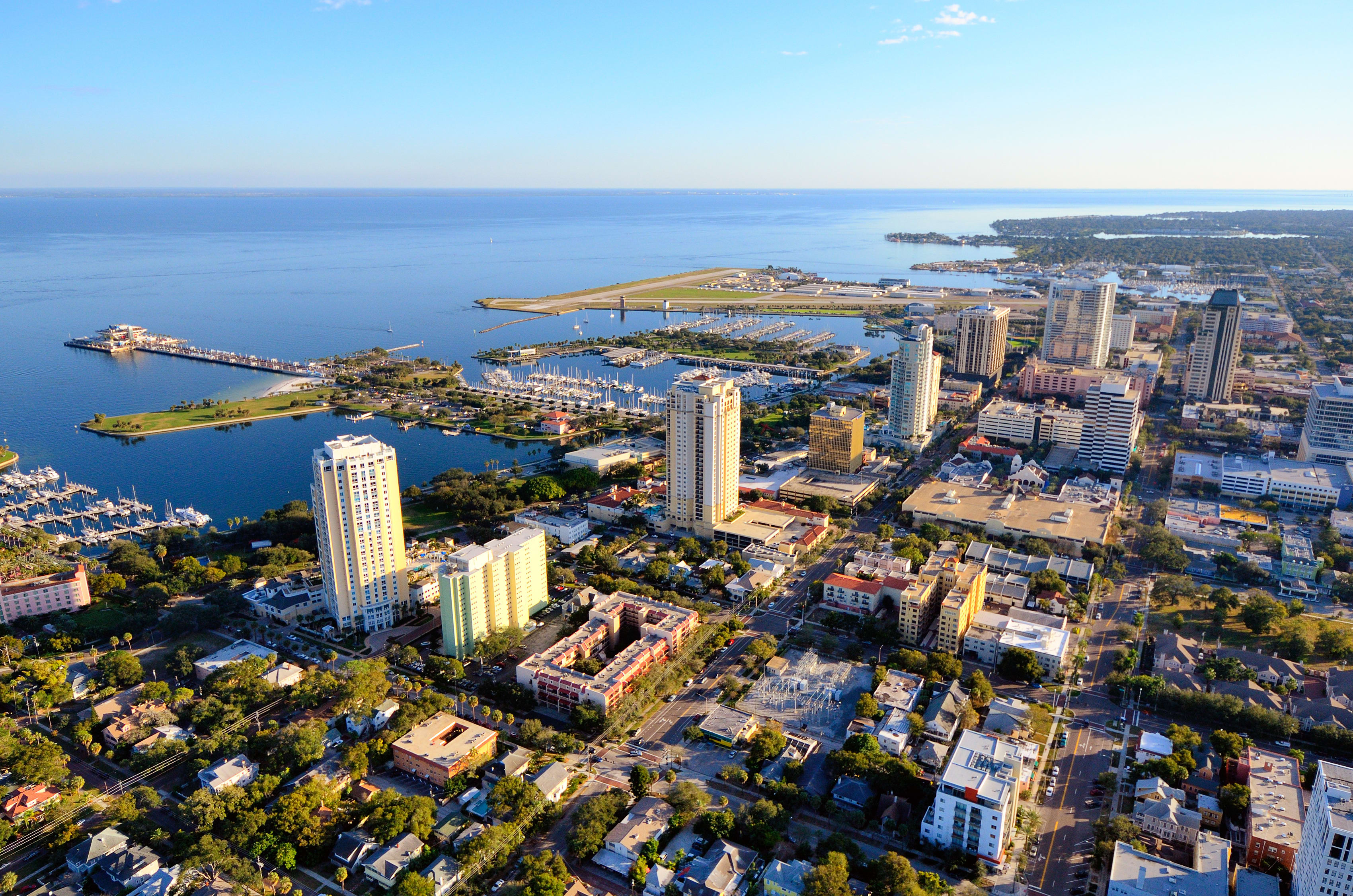
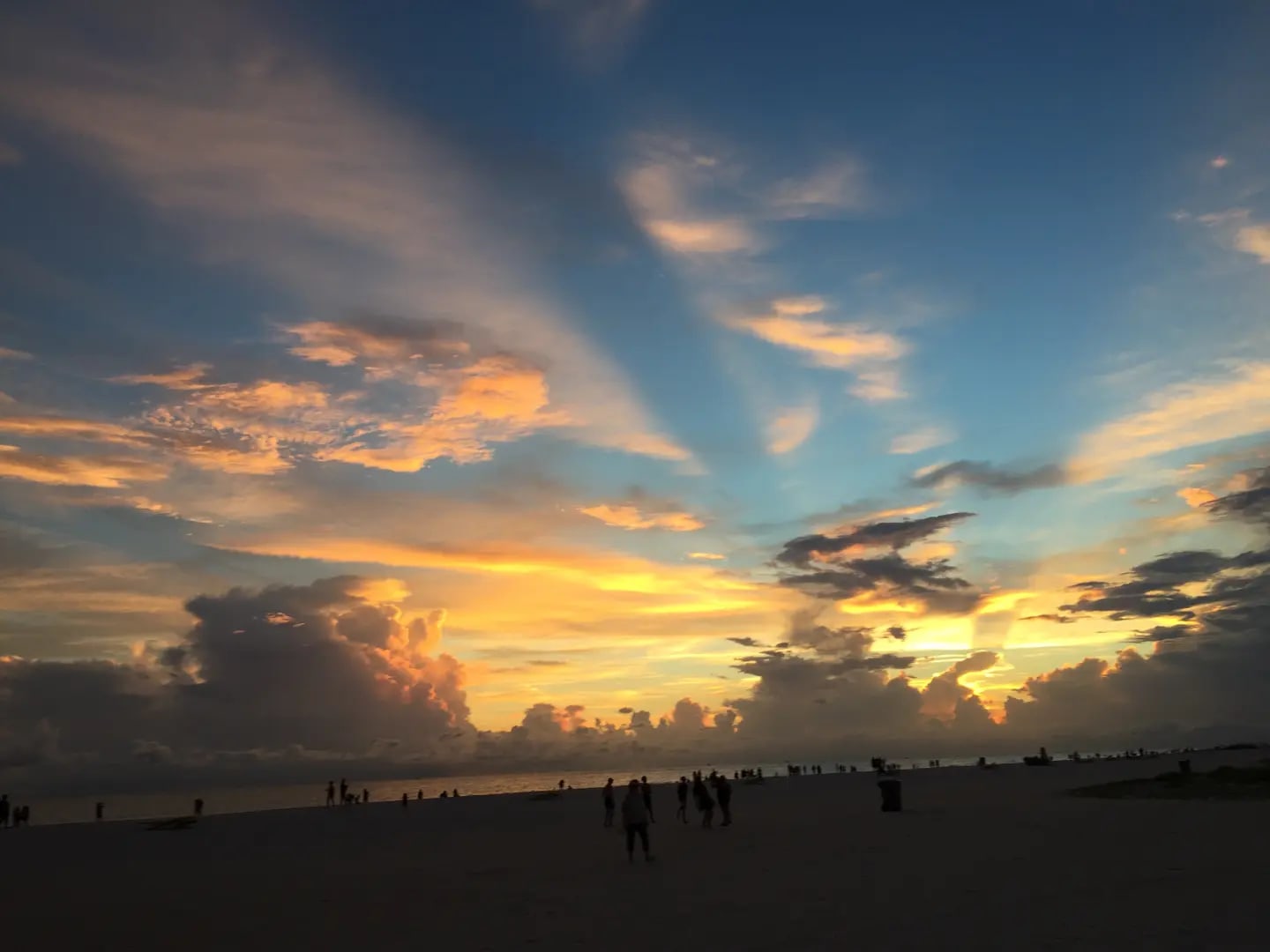
Pinellas County offers one of the most livable coastal lifestyles in Florida — without the sprawl or sky-high prices of Miami or Naples. With 35 miles of Gulf beaches, great dining, year-round sunshine, and golf-cart friendly communities, it's no surprise so many out-of-state buyers are making the move.
- 🏖 Top-ranked beaches: Clearwater, St. Pete Beach, Honeymoon Island
- ☀️ 246 sunny days per year (Source: NOAA Climate data)
- 🚗 Compact geography: Most places are 15–30 mins apart
- 🛫 Easy access to Tampa International (TPA)
📊 According to recent United Van Lines moving trend reports, Florida continues to rank as the #1 inbound destination for relocators. (Source: United Van Lines National Movers Study)
📍 Best Cities for Relocation in Pinellas
Each city has its own personality — here's how they compare for today’s buyers:
- St. Petersburg: Artsy, urban, walkable, but higher flood zones in Old NE and Shore Acres
- Dunedin: Golf-cart legal, coastal charm, flood-safe pockets
- Palm Harbor / East Lake: Great schools, inland safety, suburban feel
- Safety Harbor: Boutique downtown, quick access to Tampa bridges
- Seminole / Largo: Central, budget-friendly, family-oriented
Flood zone designations vary block-by-block, so I review FEMA maps and elevation data for every property before you make an offer.
🔗 Also see: Living in Downtown St. Petersburg, FL: Guide for Buyers & Sellers
💰 Cost of Living in Pinellas County
While prices rose sharply between 2020 and 2022, the market has since stabilized, making Pinellas County a solid long-term option for buyers and relocators.
- Median sale price: $445,000 (PRO)
- Property taxes: 1.0% with Homestead exemption
- Rent (2BR): $1,800–$2,400/month
- Utilities: $175–$225/month average
- HOA/condo fees: $300–$600/mo in most coastal condos - (Source: Pinellas Realtor® Organization (PRO), ERI Economic Research Institute)
🔗 Related: Cost of Living in Pinellas County, FL
🌊 Flood Zones & Insurance Rules
Flood zones are critical in Pinellas. A home in an AE or VE zone will require flood insurance, and premiums have gone up under FEMA’s Risk Rating 2.0. I review these risks with every client before making an offer.
🔗 Learn more: Pinellas County Flood Zones Guide
- X Zone: No required flood insurance (common in Palm Harbor & East Lake)
- AE/VE Zones: Required flood insurance + elevation certificate needed
- Disclosures: Florida now requires sellers to share flood history - (Source: Florida Statutes §689.302, FEMA Flood Map Service Center)
🧭 I’ll provide a custom flood zone map overlay for any property you’re considering — included in my relocation prep.
🔗 Read: Homeowners Insurance Help for Pinellas County
🏠 Selling Before You Move?
If you're moving to Pinellas from another state and need to sell your current home first, I’ll help you structure the Florida side — and can refer a trusted listing agent in your area if needed. Here’s how I help:
- ✅ Coordinate with your agent to align closings
- 📈 Guide you on what your net proceeds can buy here
- 📦 Remote showings, contract prep, inspection access if you can’t be here in person
🗂 Already have a listing agent? I’ll collaborate with them to keep your transition smooth. This planning is part of my relocation strategy process so your sale and purchase timelines stay aligned with financing, inspections, and insurance approvals.
Get Your Home Value & Selling Plan or Book a 30-Minute Planning Call
Dive deeper into neighborhoods, flood zones, lifestyle, and local market trends in our Pinellas County Real Estate Resource Center.
❓ FAQs About Relocating to Pinellas County
Is Pinellas County, Florida a good place to live?
Yes. Pinellas County offers beaches, walkable downtowns, strong healthcare access, and no state income tax. Lifestyle varies from urban St. Petersburg to coastal Dunedin to suburban Palm Harbor, giving buyers multiple options within a small geographic area.
Are home prices dropping in Pinellas County, Florida?
Home prices have stabilized, not crashed. Appreciation has normalized since 2022, but well-priced homes in desirable areas still sell quickly. Waterfront and high-elevation homes tend to hold value best.
Why is Pinellas County expensive?
Pinellas is a built-out peninsula with limited land supply. High demand, beach access, waterfront property, and proximity to Tampa jobs support long-term pricing.
Is it better to live in Tampa or St. Pete?
St. Pete offers walkability, waterfront parks, and arts culture. Tampa offers larger corporate hubs and newer suburban development. Lifestyle preference usually determines the better fit.
Is Clearwater or St. Pete more expensive?
Downtown St. Pete and waterfront areas generally command higher prices. Clearwater offers more pricing variety, with beach properties at premium levels and inland neighborhoods at lower price points.
What salary do you need to live comfortably in St. Petersburg, Florida?
Many homeowners target $85,000–$120,000+ household income depending on housing type, insurance, and HOA fees. Condo buyers should account for monthly association costs.
Where is the cheapest place to live in Pinellas County?
More affordable areas are typically inland, including parts of Largo, Pinellas Park, Kenneth City, and inland Clearwater. Older condos may offer lower entry prices but require HOA review.
Do I need flood insurance in Pinellas County?
Flood insurance is required for homes in AE or VE zones under FEMA guidelines. Homes in X zones do not require it but optional coverage is common.
Are there safer areas from flood risk?
Higher elevation areas often include Palm Harbor, East Lake, Countryside, inland Largo, and select Dunedin neighborhoods. Flood zones can change street-to-street.
Is homeowners' insurance hard to get in Pinellas County?
Insurance is generally obtainable for homes with newer roofs, updated electrical systems, and wind-mitigation reports. Older roofs and outdated panels create underwriting challenges.
How long does a relocation to Pinellas County take?
Most relocations take 60–90 days. Cash buyers or fully underwritten financing can shorten timelines.
Can I buy a home remotely?
Yes. Video tours, inspection recordings, and e-signatures allow full remote purchases.
What surprises people most about moving here?
Higher insurance costs, street-by-street flood zones, HOA fee differences, and how close most cities are (15–30 minutes apart).

Your Local Real Estate Advisor
Todd Howard, Realtor® | Charles Rutenberg Realty
GRI • RENE • PSA • SRS • ABR
Serving Pinellas County since 2018
📞(727) 304-3398 | 📨 toddhowardpa@gmail.com
Sources:
Pinellas County Property Appraiser (PCPAO)
Pinellas Realtor® Organization (PRO)
United Van Lines National Movers Study
ERI Economic Research Institute
Florida Statutes §689.302 (Flood Disclosure Law)
Disclaimer: This guide is for general educational purposes only and is not legal, tax, or financial advice. Always verify exact costs, taxes, and insurance with the appropriate professionals and official county or state sources before making decisions.