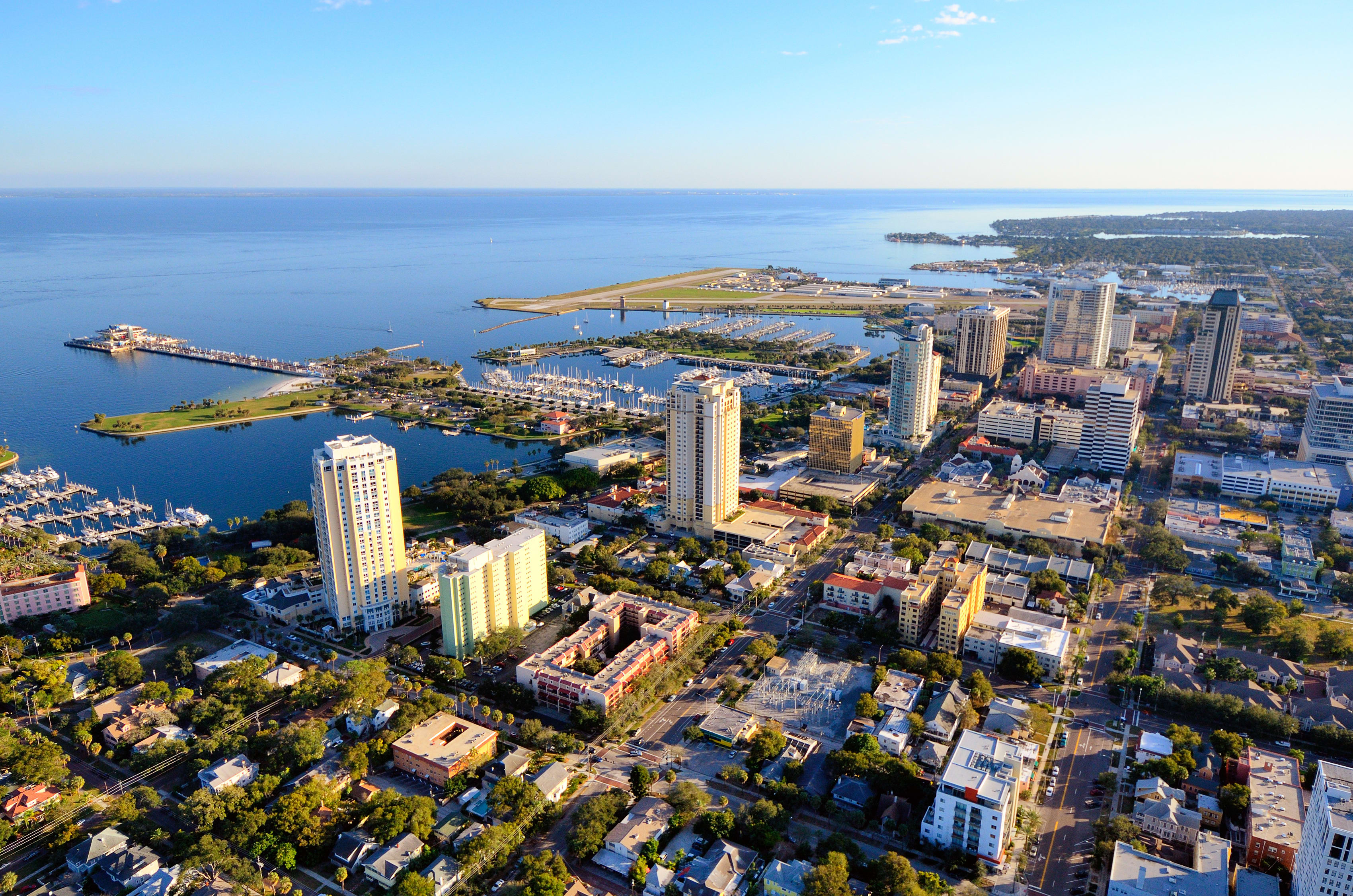
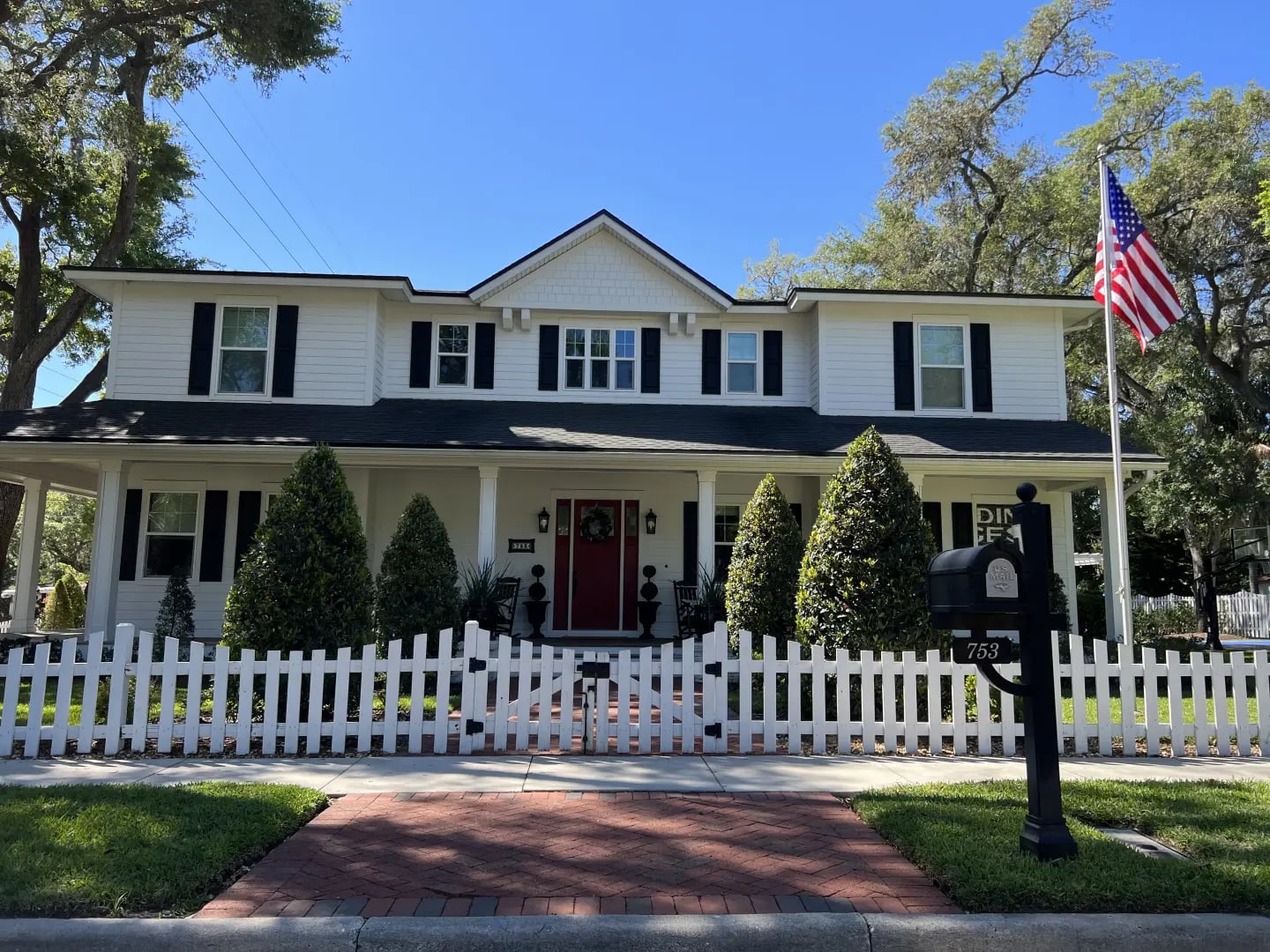

What It Really Costs to Live in St. Petersburg, Florida
Thinking about moving to St. Petersburg, Florida? The real cost of living here depends on more than just the home price or rent payment. In St. Pete, the numbers that matter most usually come down to housing, taxes, insurance, utilities, flood risk, and the lifestyle you want by neighborhood.
Quick Answer:
St. Petersburg is not the cheapest place to live in Florida, but it can still make sense for buyers and renters who understand where the extra costs come from. Housing is usually the biggest expense, but insurance, flood-zone exposure, utilities, and neighborhood choice can change your monthly budget just as much. In general, walkable and waterfront areas cost more, while inland neighborhoods often offer a better balance of price, insurance, and long-term affordability.
📊 Cost Snapshot – St. Petersburg
If you want the fast version, here is the big-picture cost snapshot for St. Petersburg.
| Category | What to Expect | Why It Matters |
|---|---|---|
| Median owner-occupied home value | About $371,100 | Helpful citywide benchmark, but actual purchase prices vary a lot by neighborhood and flood exposure. |
| Median gross rent | About $1,663 | Longer-term Census benchmark for renters comparing St. Pete to other markets. |
| Average apartment rent | About $1,757/month | Useful current-market snapshot for active renters in 2026. |
| Median monthly owner costs with mortgage | About $1,987 | Good baseline, but many buyers will be above this once taxes, HOA fees, and insurance are fully modeled. |
| Sales tax | 7% | Florida’s 6% state tax plus Pinellas County’s 1% surtax affects everyday spending. |
| Utilities | Property-specific | City charges can include water, wastewater, stormwater, and sanitation depending on the address. |
| Flood insurance | Often required in higher-risk zones | This is one of the biggest budget differences between coastal and inland homes. |
What makes St. Petersburg tricky is that two homes with similar prices can have very different monthly carrying costs once taxes, insurance, flood exposure, utility setup, and HOA or condo fees are factored in.
Purchase Plan | Why Choose Todd | Sign Up for MLS Listings
🏠 Housing Costs in St. Petersburg
Housing is still the biggest budget driver in St. Petersburg. The citywide benchmarks can be helpful, but they only tell part of the story. Living in Downtown St. Pete, Old Northeast, Snell Isle, Venetian Isles, Shore Acres, or other lifestyle-heavy neighborhoods usually costs more than living in more inland or less flood-sensitive parts of the city.
That is why St. Pete can feel affordable to one buyer and expensive to another. A small inland block home in a lower-risk area may carry far better than a waterfront home with higher insurance and flood costs, even if the sticker prices seem reasonably close.
For buyers, the real question is not just “What does the house cost?” It is “What does this specific property cost me every month once everything is included?”
🏢 Rent vs. Buy in St. Pete
For renters, current market data shows St. Petersburg apartment rents around the mid-$1,700s on average, with studios lower and two-bedroom units notably higher. That means your budget can change quickly depending on whether you want a basic apartment, a newer downtown building, a condo rental, or a house rental.
| Rental Type | Typical Monthly Rent | Notes |
|---|---|---|
| Studio | About $1,572 | Usually the most affordable option in apartment inventory. |
| 1 Bedroom | About $1,757 | Common benchmark for singles and couples relocating to St. Pete. |
| 2 Bedroom | About $2,194 | Often where many relocating renters start to feel the jump in monthly cost. |
| 3 Bedroom | About $2,851 | Larger units and family-oriented rentals move up quickly in price. |
Buying can make more sense for some people, but only when taxes, insurance, flood exposure, HOA fees, maintenance, and utilities are modeled honestly. In St. Pete, that monthly carry can swing hard depending on whether you buy a condo downtown, a bungalow in a central neighborhood, or a waterfront property in a flood-prone area.
That is why I usually compare rent and buy scenarios by neighborhood instead of using generic online calculators. The right answer often depends on where you want to live, how long you plan to stay, and how comfortable you are with insurance and flood-related costs.
💸 Property Taxes, Homestead & Save Our Homes
Property taxes in St. Petersburg are based on taxable value, not just the purchase price. The Pinellas County Property Appraiser determines value, and your final tax bill depends on exemptions, millage rates, and whether the property is your primary residence.
For Florida primary residents, Homestead Exemption is one of the biggest ways to reduce long-term carrying costs. In Pinellas County, the homestead benefit can reduce taxable value and make a noticeable difference over time. Save Our Homes also limits how much assessed value can rise each year on a homesteaded property, which is a major advantage for long-term owners.
Portability matters too. If you are moving from one Florida homestead to another, you may be able to transfer some of your Save Our Homes benefit and soften the tax jump on your next property. That can be especially important for move-up buyers, downsizers, or sellers staying within Florida.
The trap for many buyers is looking at the seller’s current tax bill and assuming their future bill will be the same. It usually will not be. Once ownership changes, the tax structure can reset, so it is important to estimate taxes based on current purchase pricing and your likely exemption status.
🌊 Insurance & Flood Zones
This is where St. Petersburg surprises a lot of relocating buyers.
Insurance costs here are highly property-specific. The variables that matter most usually include roof age, electrical updates, plumbing, construction type, age of the home, opening protection, elevation, and proximity to water. In many neighborhoods, the monthly payment on paper looks manageable until the real insurance quotes come in.
Flood exposure is a major part of that conversation. Pinellas County’s flood tools and FEMA mapping make it clear that some St. Petersburg neighborhoods fall into higher-risk flood zones where flood insurance is often required by lenders. Other neighborhoods sit in lower-risk X zones, where flood insurance is often optional but still worth evaluating depending on the property and buyer comfort level.
That is why two homes in St. Pete can feel dramatically different in total monthly cost even if they are close in price. Waterfront lifestyle comes with trade-offs. Higher elevation and lower-risk locations often offer better insurance efficiency and more predictable carrying costs.
If I am helping you buy, I do not like waiting until the last minute to talk about flood and insurance. We look at that early so you can compare the true cost of a coastal or waterfront property against a lower-risk inland option with real numbers in front of you.
⚡ Utilities in St. Petersburg
In the City of St. Petersburg, utility costs often include more than just water. Depending on the property and location, the bill may include water, wastewater, stormwater, sanitation, and other city services.
City utility rates are reviewed and adjusted on a regular cycle, which is one reason I do not like giving buyers one lazy flat estimate for every house. A newer smaller home, an older block home, a property with more impervious area, and a condo with some utilities bundled can all behave differently.
Utility costs also vary depending on whether a property is inside city limits or served differently. That matters more than most relocation articles admit. In real life, those small recurring bills add up quickly when you are comparing neighborhoods, lot sizes, and home ages.
🛒 Everyday Expenses
Beyond housing, St. Petersburg’s everyday costs are pretty manageable for many households, but they are not bargain-basement cheap either.
The combined sales tax in Pinellas County is 7%, which affects dining out, entertainment, retail shopping, and plenty of day-to-day spending. In a lifestyle-driven city like St. Pete, where people tend to spend on restaurants, breweries, events, and waterfront activities, that adds up faster than many newcomers expect.
Transportation can also go either way. Some people save money by living in a more walkable area and driving less. Others end up spending more because they commute across town, cross the bay often, or prioritize beach and downtown access. Everyday affordability in St. Pete really depends on the lifestyle you are trying to buy into.
💼 What Salary Do You Need to Live Comfortably?
There is no one perfect number, but a simple rent-based benchmark is still useful. With average apartment rent around $1,757 per month, the common 30% housing rule suggests a household would want roughly $70,000 per year to keep rent near that affordability threshold.
That does not mean everyone needs that exact income to live in St. Pete. It just gives you a planning benchmark. Buyers may need more or less depending on down payment, taxes, HOA fees, insurance, and whether the property sits in a flood-sensitive location.
For people relocating from more expensive coastal markets, St. Petersburg can still feel like a strong value. For local buyers stretching into premium neighborhoods, it can feel expensive fast. The difference usually comes down to property choice, not just citywide averages.
🔗 Helpful Resources
If you are researching St. Petersburg and trying to understand the full cost picture, these are the pages I would want open in separate tabs while you compare neighborhoods, home types, and monthly budget scenarios.
- Browse All Blog Posts
- Pinellas Home Buyer Planning Hub
- Pinellas Home Seller Planning Hub
- Sign Up for MLS Listings
- Get Your Home Value & Selling Plan
- Why Choose Todd
This is also where I would connect readers to your main St. Pete and Pinellas County hub content as you continue updating the rest of the cluster.
❓ FAQ: Cost of Living in St. Petersburg, Florida
Is St. Petersburg expensive compared to other parts of Pinellas County?
In many cases, yes. Prime St. Pete neighborhoods with walkability, waterfront access, historic charm, or strong lifestyle appeal often carry a premium compared to broader county averages. The trade-off is access to restaurants, parks, downtown amenities, and the waterfront.
Is renting cheaper than buying in St. Petersburg?
Sometimes, but not always. Renting usually gives you more short-term flexibility, while buying can make more sense over time depending on the property, insurance profile, taxes, and your timeline. In St. Pete, the smarter comparison is neighborhood by neighborhood, not just citywide.
Do I need flood insurance in St. Petersburg?
If the property is in a higher-risk FEMA flood zone, your lender will usually require it. In lower-risk X zones, it may be optional, but many buyers still choose to review coverage depending on the address and their comfort level.
Why do monthly housing costs vary so much between similar homes?
Because purchase price is only one piece of the budget. Taxes, flood exposure, insurance, utility setup, and HOA or condo fees can make one property far more expensive to carry than another.
Is St. Petersburg affordable for relocation buyers?
For many buyers coming from higher-cost metros, yes. For local buyers targeting premium neighborhoods, not always. St. Pete can still offer good value, but only if you choose the right area and understand the total monthly carry.
What is the biggest mistake buyers make when budgeting for St. Petersburg?
They focus too much on the mortgage and not enough on insurance, flood risk, taxes, and recurring monthly costs. That is where many of the real surprises show up.
🏡 Seller Tips
If you are selling a home in St. Petersburg, cost transparency matters more than ever. Buyers want clear numbers, especially if they are relocating from out of state and trying to understand insurance, flood zones, taxes, and monthly carry.
- Highlight updates that may help insurance, such as roof, windows, electrical, plumbing, and mitigation improvements.
- Be ready to discuss flood zone, elevation, and whether current flood insurance is assumable or simply informative for budgeting.
- If your property is in a lower-risk area, that should absolutely be part of the marketing story.
- When possible, clear upfront documentation helps buyers feel more confident about the real cost of ownership.
📞 Work With a Local St. Petersburg Realtor
Online cost-of-living calculators only get you so far. What really matters in St. Petersburg is how the numbers change by neighborhood, flood zone, insurance profile, and property type.
If you want to compare St. Pete neighborhoods the right way, I can help you break down the real monthly carry before you make a move.
Get Your Home Value & Selling Plan
Book a 30-Minute Planning Call
🔗 Sources
- U.S. Census Bureau QuickFacts: St. Petersburg city, Florida
- Apartments.com: Saint Petersburg, FL Rent Market Trends
- Florida Department of Revenue: Sales and Use Tax
- Florida Department of Revenue: Discretionary Sales Surtax Information
- Pinellas County Property Appraiser: Homestead Exemption
- Pinellas County Property Appraiser: Save Our Homes
- Pinellas County Property Appraiser: Portability
- Pinellas County: Flood Maps & Zones
- Pinellas County Flood Map Service Center
- FEMA Flood Map Service Center
- City of St. Petersburg: Current Utility Rates

Todd Howard, Realtor® | Charles Rutenberg Realty
GRI • RENE • PSA • SRS • ABR
Serving Pinellas County since 2018
📞 (727) 304-3398 | 📧 toddhowardpa@gmail.com