
9-21-2025
🌴 Beach Renourishment in Pinellas County: 2025–2026 Update & Impact on Home Values
Updated November 2025
Beach renourishment remains one of the most important—and most debated—issues for coastal homeowners in Pinellas County. Recent storms, rising insurance pressure, and U.S. Army Corps of Engineers (USACE) policy changes have brought new attention to shoreline vulnerability and long-term home values from Sand Key to St. Pete Beach.
This updated guide explains what’s happening now, which areas are affected, and how renourishment delays or gaps can influence insurance, buyer confidence, and property values.
🌊 Why This Matters Now
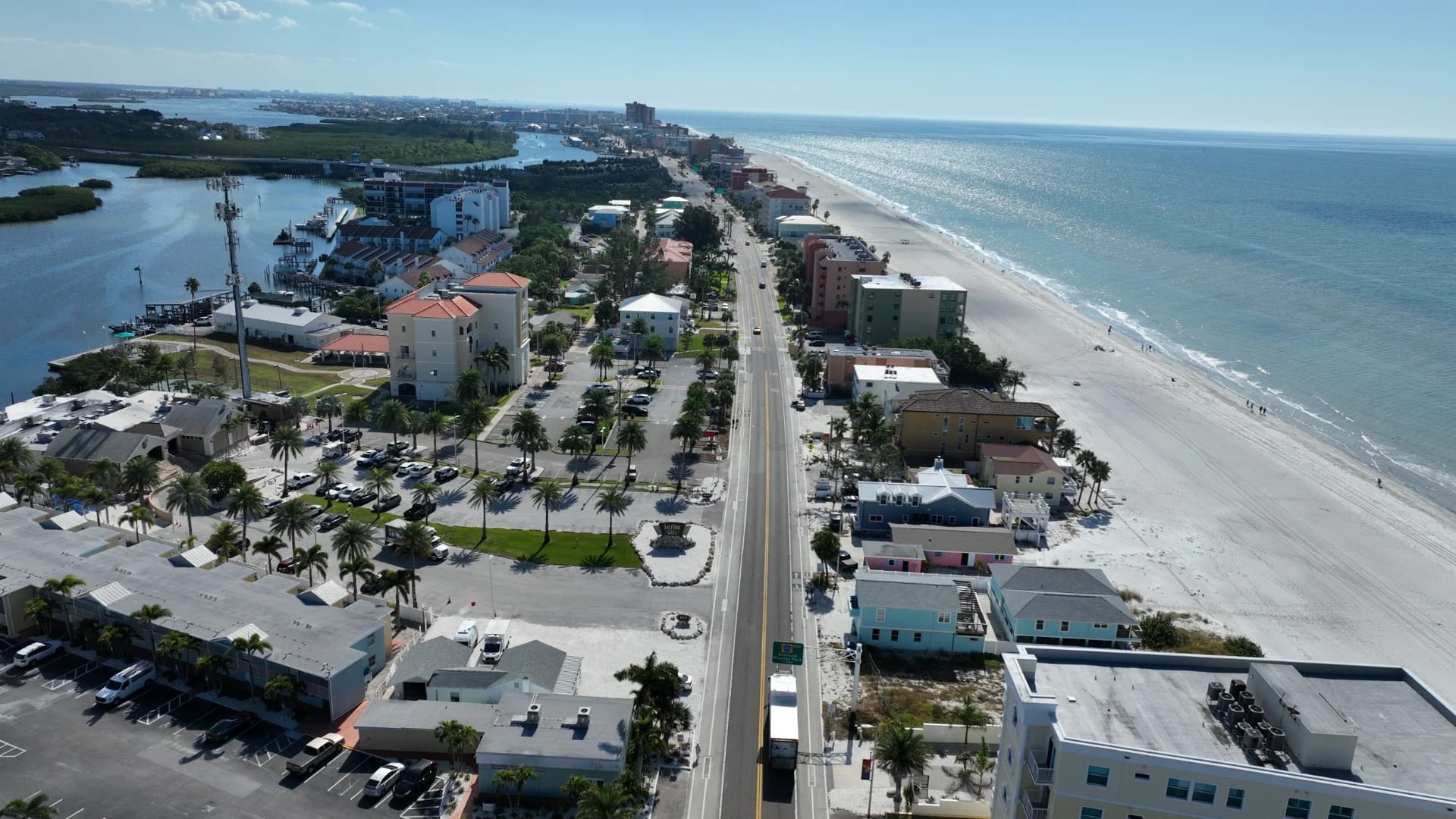
Pinellas County’s barrier islands continue to lose sand due to storms, tidal conditions, and accelerated erosion. After Hurricane Helene and multiple nor’easters, several beaches experienced severe narrowing—leaving condos and single-family homes more exposed.
USACE’s current stance requires **100% signed easements** from beachfront property owners before federal renourishment can proceed. The lack of full participation has resulted in “sawtooth” shoreline patterns where some blocks receive new sand while others are skipped.
This affects:
- storm risk
- insurance underwriting
- buyer perception
- long-term property values
📍 Pinellas Beach Renourishment Overview
The original 2025 project called for approximately **2.5M cubic yards of sand** across nine miles of shoreline, including:
- Sand Key
- Indian Shores
- Redington Beach
- Treasure Island (selected segments)
With easement gaps, the county is pursuing new approaches, including local-only renourishment options and additional state funding negotiations.
💰 How Beach Renourishment Affects Home Values
Whether you're selling or buying, shoreline conditions impact value more than ever. Trends include:
- Increased Buyer Confidence: Homes near restored beaches typically see stronger demand.
- Insurance Impacts: Some insurers now review shoreline condition or dune quality before binding policies.
- Tourism & Rental Performance: Wide, stable beaches improve rental occupancy and neighborhood appeal.
- Long-Term Investment Stability: Renourished stretches often outperform eroded or skipped segments in resale value.
⚠️ Challenges, Delays & Easement Disputes
Dozens of property owners have not granted renourishment easements, leading to:
- “gaps” in sand placement
- loss of federal participation
- uncertain 2026 schedules
- higher storm vulnerability for skipped areas
Pinellas County continues coordinating with USACE, state officials, and municipalities like Indian Shores and Redington to resolve gridlock.
🏡 Seller Strategies
For coastal sellers in 2025–2026, renourishment status can increase or decrease buyer confidence. Strategies include:
- Document your block’s renourishment status or easement compliance.
- Highlight dune strength, flood zone changes, and insurance savings potential.
- Address construction timelines upfront if work is scheduled soon.
- Provide updated insurance quotes or risk assessments when possible.
🔎 Buyer Tips for Coastal Property
Before writing an offer on a beach-area condo or home, review:
- Is this section eligible for renourishment?
- Has this segment been skipped due to easement refusals?
- What are the local flood zone impacts?
- How does Risk Rating 2.0 affect future premiums?
- Are there shoreline or dune vulnerabilities on this block?
For deeper research, see:
- Luxury Condos for Sale in Downtown St. Pete
- Sand Key to St. Pete Beach Guide
- Downtown St. Petersburg Luxury Condos: Waldorf Astoria, Art House & 400 Central
- St. Petersburg’s Walkable Neighborhoods
📚 Sources
- Pinellas County Government
- Pinellas County Flood Information
- U.S. Army Corps of Engineers
- City of St. Pete Beach
- Town of Indian Shores
Todd Howard, Realtor® | Charles Rutenberg Realty
GRI • RENE • PSA • SRS • ABR
Serving Pinellas County since 2018
📞 (727) 304-3398 • 📨 toddhowardpa@gmail.com
Get Your Price & Sale Plan: Get Your Price & Sale Plan
Book a Consultation: Book a 30-Minute Call