
Could Florida Homeowners Really Pay $0 in Property Taxes? What You Need to Know Before It’s Too Late
Could Florida homeowners really see their property tax bill drop to $0?
That question is getting a lot of attention because Florida leaders are discussing major property tax relief for homesteaded homeowners. The idea sounds simple: lower property taxes, possibly eliminate them for many primary-residence homeowners, and make Florida homeownership more affordable.
But the details matter. This is not the same thing as every property owner in Florida suddenly paying no taxes. The current conversation centers around homesteaded properties, possible constitutional changes, school taxes, local government revenue, and whether future buyers would qualify the same way current homeowners do.
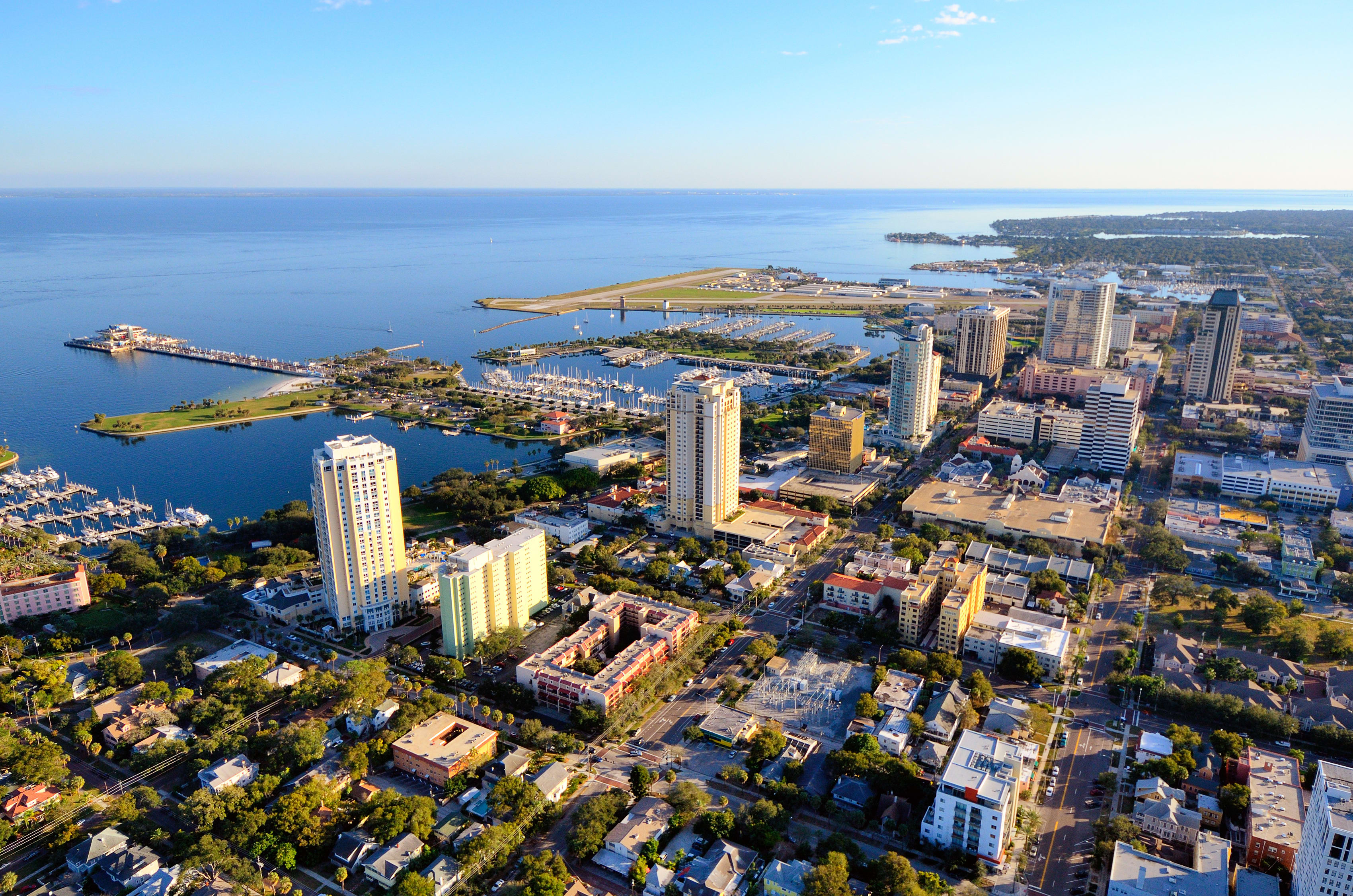
For homeowners in Pinellas County, this is a big deal. Property taxes affect monthly affordability, buyer demand, retirement planning, home values, and whether some people decide to stay put or sell.
Quick Answer
Florida is considering major property tax relief for homesteaded homeowners, but property taxes have not been eliminated yet. Current proposals range from significantly increasing the homestead exemption to eventually eliminating some or all property taxes on qualifying primary residences.
If approved, the biggest benefits would likely go to homesteaded homeowners, not investors, second-home owners, vacation rentals, or commercial property owners. For Pinellas County homeowners, the proposal could lower ownership costs and improve affordability, but it also raises serious questions about how schools, roads, police, fire departments, and local services would be funded in the future.
Quick local resources: Property Taxes in Pinellas County | Pinellas Homestead Exemption Guide | Pinellas TRIM Notice Guide
Why Florida Homeowners Are Paying Attention
Florida homeowners are already under pressure from rising ownership costs. Even when a mortgage payment stays the same, taxes, insurance, HOA fees, flood insurance, repairs, and maintenance can change the real monthly cost of owning a home.
That is why this proposal has become such a high-interest topic.
- Home insurance has become more expensive.
- Flood insurance remains a major concern in coastal and low-lying areas.
- New buyers often see property taxes reset after purchase.
- Retirees and fixed-income homeowners are watching monthly costs closely.
- Many homeowners are trying to understand whether they should stay, sell, or buy before the rules change.
When homeowners hear that Florida may eliminate property taxes, they are not thinking about bill numbers, committee hearings, or legislative procedure. They are asking practical questions:
- Is this real?
- Would I qualify?
- How much could I save?
- Would my tax bill actually go to zero?
- What happens to schools, police, roads, and local services?
Those are the questions this article is built around.
What Florida Is Actually Proposing
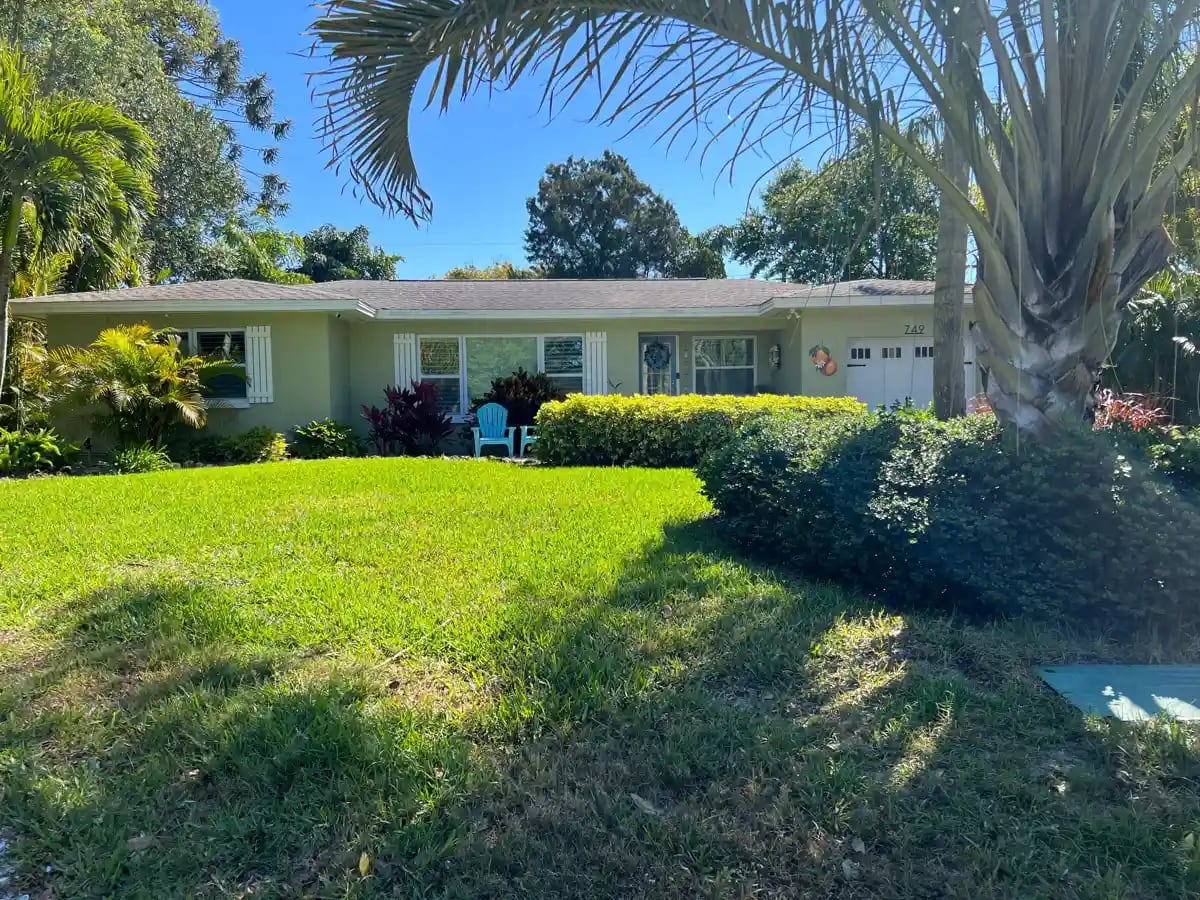
The current proposal is centered around homesteaded homeowners. That is important because homestead generally applies to a person’s primary residence, not investment properties, second homes, vacation rentals, or commercial property.
Governor Ron DeSantis announced a special session for the week of June 1, 2026, to consider a constitutional amendment titled “Save Our Homes from Excessive Property Taxes.” The proposal calls for an immediate increase in the homestead exemption and a schedule for full elimination through future law.
Earlier proposals, including HJR 203, focused on phasing out non-school property taxes for homesteaded properties. That approach would have gradually increased the homestead exemption over time while keeping school district levies separate.
Here is the key distinction:
| Term | What It Means |
|---|---|
| Homestead property | A primary residence that qualifies for Florida homestead exemption. |
| Non-school property taxes | Property taxes excluding school district levies. |
| Full elimination | A broader goal that would depend on final law, voter approval, and replacement funding. |
The proposal is still moving through the political and legal process. Homeowners should watch the final language carefully because small wording differences can create very different results.
Could Homeowners Really Pay $0?
This is the question everyone wants answered.
Could some Florida homeowners eventually pay $0 in property taxes? Possibly. But that does not mean every homeowner, every property, or every part of every tax bill would disappear immediately.
There are three important details:
- It would likely focus on homesteaded properties. That means primary residences, not investment properties or second homes.
- School taxes may be treated differently. Some earlier proposals focused on non-school property taxes only.
- It would likely require voter approval. Major property tax changes often require constitutional amendment language and voter support.
So the honest answer is:
Florida may move toward a future where many homesteaded homeowners pay little or possibly nothing in property taxes, but the final result is not guaranteed yet.
That is why the headline is important. Homeowners should understand the proposal before it reaches the point where decisions are being made without them paying attention.
Who Would Qualify?
The current conversation is focused on homeowners who qualify for Florida homestead exemption.
In Pinellas County, homestead exemption generally applies when a property owner has legal or beneficial title, is a bona fide Florida resident, and uses the property as their permanent residence as of January 1 of the tax year.
That means the potential winners would most likely be:
- Primary-residence homeowners
- Florida residents with homestead exemption
- Long-term homeowners using the property as their legal residence
- Retirees and fixed-income homeowners with homesteaded property
It would likely not automatically apply to:
- Second homes
- Vacation rentals
- Investment properties
- Non-homesteaded properties
- Commercial properties
This distinction matters in Pinellas County because many communities have a mix of full-time residents, snowbirds, investors, condos, short-term rentals, and second-home owners.
For more details on local eligibility, see the Pinellas Homestead Exemption Guide.
How Much Could Homeowners Save?
The savings would depend on your assessed value, taxable value, exemptions, city, county, school district, fire district, and any special taxing districts that apply to your property.
In Pinellas County, property taxes are based on millage rates. One mill equals $1 for every $1,000 of taxable value. A homeowner’s tax bill may include several taxing authorities, not just the County.
That is why two homes with the same market value can have different tax bills.
| Homeowner Situation | Why the Tax Bill May Be Different |
|---|---|
| Long-time homesteaded owner | May benefit from Save Our Homes assessment limits. |
| Recent buyer | Taxes may reset closer to current market value after purchase. |
| Second-home owner | May not receive homestead benefits. |
| Investor or rental owner | Likely treated differently than a primary-residence homestead. |
In Pinellas County, the current homestead exemption provides meaningful savings, and the Save Our Homes cap can become even more valuable over time. The Property Appraiser notes that homestead exemption typically saves Florida residents about $500 to $1,000 in property taxes, depending on the property and taxing district.
A larger exemption, or eventual elimination for homesteaded properties, could create much larger savings for some homeowners.
What Is the Downside?
This question showed up repeatedly in Google’s People Also Ask data, and it deserves a serious answer.
The upside is obvious: homeowners could save money.
The downside is the funding question.
Property taxes help fund local services. In Pinellas County, a tax bill may include the County, municipalities, School Board, fire districts, and other local taxing authorities.
If homesteaded property taxes were sharply reduced or eliminated, Florida would need to answer several hard questions:
- How would schools be funded?
- How would cities fund police, fire, parks, and roads?
- Would sales taxes or other taxes increase?
- Would non-homesteaded property owners pay more?
- Would investors, landlords, commercial owners, and second-home owners carry more of the burden?
- Would local governments cut services?
This is why the final funding plan matters just as much as the tax cut itself.
For homeowners, the question is not only “How much would I save?” It is also “What would change in my community if that revenue disappeared?”
What This Could Mean in Pinellas County
Pinellas County is not a one-size-fits-all market.
A tax change could affect a waterfront condo owner in Clearwater Beach differently than a long-time homeowner in Seminole, a retiree in Palm Harbor, a first-time buyer in Largo, or a seller in St. Petersburg.
Pinellas County also has a unique mix of property types: inland single-family homes, older coastal cottages, high-rise condos, waterfront homes, 55+ communities, investment properties, second homes, and short-term rental areas. That mix matters because a homestead-focused proposal would not treat every property the same way.
Here are the local issues I would watch most closely:
- Homesteaded owners may benefit the most. Long-term primary-residence owners could see the clearest savings.
- New buyers may pay closer attention to homestead rules. Buyers already ask about taxes, insurance, flood zones, and monthly payment. This would make homestead even more important.
- Second homes and rentals may become a bigger dividing line. If tax relief applies only to homesteads, non-homesteaded properties may be viewed very differently.
- Local services could become part of the debate. Pinellas cities depend on property tax revenue for services homeowners care about.
- Seller timing could become more complicated. Some homeowners may delay moving if they think staying put could mean a lower future tax bill.
For buyers, this makes it more important to understand estimated property taxes after purchase, not just the current owner’s tax bill. For sellers, it may become another reason to explain the full monthly ownership picture, especially if the home is homesteaded, inland, lower-risk for flood insurance, or located in a desirable Pinellas neighborhood.
For a broader ownership-cost picture, see Cost of Living in Pinellas County.
What This Could Mean for Buyers and Sellers
This is where the proposal becomes more than a tax story.
If Florida substantially lowers property taxes for homesteaded homeowners, it could change buyer and seller behavior.
| Possible Effect | Real Estate Impact |
|---|---|
| Lower monthly ownership costs | Could improve affordability for some buyers. |
| More demand from out-of-state buyers | Florida may become even more attractive to retirees and relocating buyers. |
| Long-time owners stay longer | Inventory could tighten if homeowners become less motivated to sell. |
| Different treatment for investors | Non-homesteaded owners may not receive the same benefit. |
From a seller’s perspective, this could become part of the affordability conversation. Buyers already look at payment, insurance, flood zone, HOA fees, and taxes. If property taxes change, that could affect how buyers compare homes and how sellers position their property.
From a buyer’s perspective, the key will be understanding the difference between current taxes, estimated future taxes, and whether the buyer would qualify for homestead after purchase.
That is why I would not make a purchase or sale decision based only on a headline. The final language, timing, and eligibility rules matter.
My Take as a Pinellas County Realtor
From a real estate standpoint, the biggest impact may not be the tax savings alone. It may be how buyers and sellers respond to the possibility of tax savings.
If homesteaded homeowners believe their property taxes could drop significantly, some may decide not to sell. That could keep inventory tighter in parts of Pinellas County where supply is already limited.
At the same time, buyers may become more aggressive about understanding homestead status, estimated future taxes, Save Our Homes, and whether a property is a primary residence or investment property. This could also make inland homes, lower-insurance-risk homes, and well-positioned homesteaded properties more attractive.
For sellers, the takeaway is simple: buyers do not just care about price. They care about the monthly cost of owning the home. Property taxes, insurance, flood zone, roof age, HOA fees, and condition all affect whether a buyer feels confident moving forward.
That is why I focus so heavily on reducing uncertainty before listing a home. When buyers understand the numbers, the condition, and the risk profile, they are more comfortable making strong offers.
Get Your Home Value & Selling Plan or Book a 30-Minute Planning Call.
What Happens Next?
There are several things homeowners should watch:
- Whether lawmakers approve final constitutional amendment language
- Whether voters get the final say
- Whether school taxes are included or excluded
- Whether the proposal applies only to homesteaded properties
- Whether new Florida residents face a different timeline
- How cities and counties would replace lost revenue
This is not final yet. Homeowners should avoid making major financial decisions based on headlines alone.
But if you own a home in Pinellas County, this is absolutely worth watching. Property taxes affect your monthly cost, your long-term equity, your resale value, and how buyers evaluate your property.
Frequently Asked Questions
Is Florida actually going to get rid of property taxes?
Florida is considering major property tax relief for homesteaded homeowners, but property taxes have not been eliminated yet. The final result depends on legislative action, constitutional language, and likely voter approval.
Is Florida looking to get rid of property taxes?
Yes. Florida leaders are actively discussing proposals that could significantly reduce or eventually eliminate property taxes for qualifying homesteaded homeowners.
How do I become exempt from property taxes in Florida?
Most homeowners do not become fully exempt from all property taxes under current law. However, Florida residents who own and occupy their home as their permanent residence may qualify for homestead exemption and possibly other exemptions based on age, disability, veteran status, or other criteria.
Who doesn't pay property taxes in FL?
Most Florida property owners pay some form of property tax. Some owners may qualify for major exemptions, including certain disabled veterans, surviving spouses, or other protected categories, but full exemption depends on specific eligibility rules.
Do Floridians pay property tax after age 65?
Yes, many Floridians still pay property taxes after age 65. Some seniors may qualify for additional exemptions depending on income, residency, and local rules, but turning 65 does not automatically eliminate property taxes.
How much will I save if I get homestead exemption in Florida?
Savings vary by county, millage rate, assessed value, and taxable value. In Pinellas County, the Property Appraiser states that homestead exemption typically results in about $500 to $1,000 in property tax savings.
What is the downside of no property tax in Florida?
The biggest concern is how local governments would replace revenue used for schools, public safety, roads, fire districts, infrastructure, and other services. Homeowners may save money, but lawmakers would need a clear funding replacement plan.
Why are property taxes in FL so high?
Florida property taxes vary by county, city, school district, assessed value, exemptions, and millage rates. New buyers may also see higher taxes than long-time homesteaded owners because the prior owner’s Save Our Homes cap is removed after sale.
Final Takeaway
Florida may be moving toward one of the biggest property tax debates homeowners have seen in years.
For homesteaded homeowners, the upside could be significant. Lower property taxes could reduce ownership costs, improve monthly affordability, and make staying in a home easier for retirees and fixed-income residents.
But the details matter. The final proposal needs to explain who qualifies, whether school taxes are included, how local services would be funded, and what happens to homeowners who move to Florida after any cutoff date.
If you own a home in Pinellas County, do not ignore this. Property taxes affect your monthly costs, your resale value, and the way buyers evaluate affordability.
Get Your Home Value & Selling Plan or Book a 30-Minute Planning Call.
Helpful Local Resources
- Pinellas Homestead Exemption Guide
- Property Taxes in Pinellas County
- Pinellas Property Tax TRIM Notice Guide
- Optimizing Your Property Taxes in Pinellas County
- Cost of Living in Pinellas County
Todd Howard, Realtor® | Charles Rutenberg Realty
GRI • RENE • PSA • SRS • ABR
Serving Pinellas County since 2018
📞 (727) 304-3398 | 📨 toddhowardpa@gmail.com
Sources
- Executive Office of the Governor – Property Tax Relief Proposal
- Florida House – CS/CS/HJR 203
- Florida Senate – HJR 203 Bill History
- Florida Department of Revenue – Homestead Exemption and Save Our Homes
- Pinellas County Property Appraiser – Homestead Exemption
- Pinellas County – What Is Millage?
- Florida Department of Education – Florida Education Finance Program
Disclaimer: This article is for general educational purposes only and is not legal, tax, or financial advice. Always verify exact costs, taxes, exemptions, and eligibility with the appropriate professionals and official county or state sources before making decisions.