
Hurricane Season in Pinellas County: What Homeowners Need to Know (2026 Update)
Updated on March 2026
🌴 Local Risk: Pinellas County
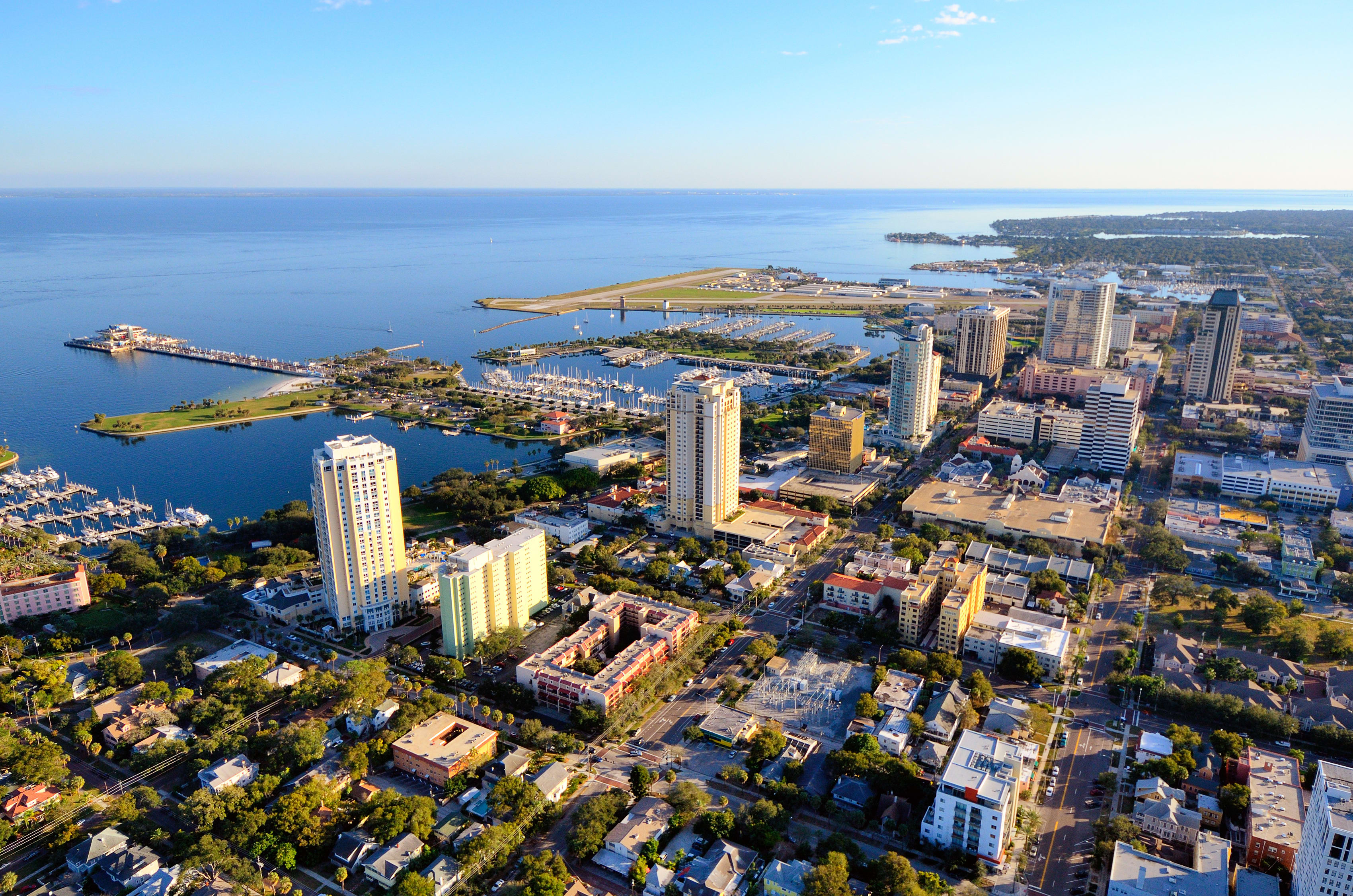
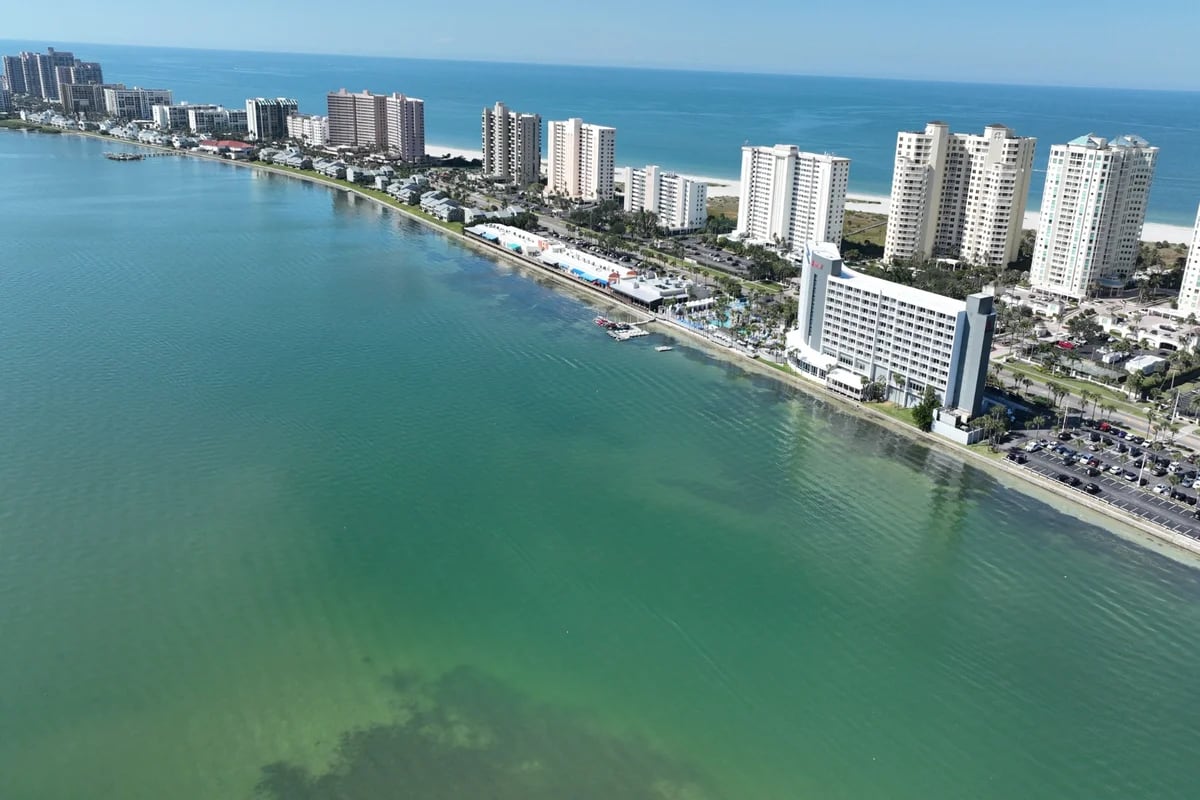
Pinellas County remains one of the most vulnerable coastal areas in Florida due to its narrow peninsula, older housing stock, and high concentration of flood zones. While storm surge is a major threat along the Gulf beaches and Intracoastal, even inland neighborhoods can experience wind damage, roof loss, and power outages.
For homeowners in zones A-D, it’s critical to understand evacuation routes, shelter options, and how your insurance coverage works for hurricane and flood claims.
💼 Insurance, Flood Zones & Roof Readiness
Florida’s homeowners insurance market remains volatile, especially in coastal areas like Pinellas County. Storm risk, roof age, and flood exposure all influence coverage options and pricing.
- Average homeowners premium: roughly $4,000–$6,000 per year depending on roof age, wind mitigation, and coverage
- NFIP flood insurance: often $1,200–$2,200 per year depending on flood zone and elevation
- Private flood insurance: sometimes cheaper for Zone X properties, but coverage limits and exclusions vary
🔍 Pro Tip: Insurance companies frequently deny storm-related claims when roofs are near the end of their lifespan. A pre-storm roof inspection and updated wind-mitigation report can improve coverage options and reduce risk during hurricane season.
📋 Hurricane Prep Checklist (2026)
Here’s what every Pinellas homeowner should do before the next storm forms in the Gulf:
- ✅ Review/update your homeowners and flood policies
- ✅ Take photos/video of your home’s condition for documentation
- ✅ Trim trees and clear roof gutters/downspouts
- ✅ Check age of roof, AC, and windows (replace or reinforce if needed)
- ✅ Stock essentials: water, fuel, batteries, backup power, meds
- ✅ Know your evacuation zone and route: pinellas.gov/emergency
🏡 Selling soon? A hurricane can delay or cancel closings. Avoid the risk by prepping now.
💡 Should You Sell Before the Next Storm?
If your home has an older roof, sits in a high-risk flood zone, or you’re worried about rising insurance costs, it may be time to cash out before the next hurricane threatens your equity. Homes marketed as “storm ready” — with new roofs, inspections, and elevation certificates — often sell faster and for more money.
Seller Guide for tips on how I help clients prepare their home, stage it, and close before the next storm cycle.
❓ Frequently Asked Questions About Hurricane Season
Q: What are the predictions for the 2026 hurricane season?
A: Long-range forecasts from major weather research groups typically call for an above-average Atlantic hurricane season when ocean temperatures remain warm. Official seasonal outlooks are usually released by NOAA in late May and updated throughout the summer.
Q: What month is worst for hurricanes in Florida?
A: September is historically the peak of hurricane season in Florida. October can also be active in the Gulf of Mexico, which means coastal areas along the Gulf Coast still monitor storms closely during that time.
Q: Is September or October worse for hurricanes?
A: September typically sees the highest number of storms across the Atlantic. However, October storms sometimes form closer to Florida in the Gulf of Mexico, which can increase the risk for the Gulf Coast.
Q: Which part of Florida gets hit by hurricanes the most?
A: South Florida and the Florida Panhandle historically experience the highest number of hurricane landfalls. However, storms can impact any coastal part of the state depending on track and storm strength.
Q: Which part of Florida is safest from hurricanes?
A: Inland areas generally face less storm surge risk than coastal communities. However, all of Florida can experience hurricane impacts such as wind, heavy rain, and power outages during major storms.
Q: Is it risky to visit Florida in October?
A: October is still within hurricane season, but many years pass without major storms affecting travel plans. Visitors should simply monitor forecasts and consider travel insurance during peak season.
Q: Can I sell my home during hurricane season?
A: Yes. Real estate transactions continue throughout hurricane season. However, once a storm is officially named, insurance companies may temporarily pause new policies, which can delay closings until the storm passes.
Q: Does flood insurance cover hurricane damage?
A: Flood insurance covers water intrusion from storm surge or rising water, but not wind damage or roof leaks. Homeowners typically need both flood insurance and a standard homeowners policy for full hurricane protection.
Helpful Resources
- Flood Zones in Pinellas County
- Pinellas Homeowners Insurance + Safe Florida Home Grants
- Florida Flood Disclosure HB 1049
- People First Hurricane Program Pinellas
- FEMA 50 Rule
- Pinellas Beach Renourishment & Home Values
📞 Get Your Hurricane Season Plan
Need help prepping, pricing, or planning your next move in Pinellas? I include a 4‑Point Inspection and Appraisal with every listing so buyers feel confident and your home is sale‑ready — even during hurricane season.
Get Your Price & Sale Plan or Book a 30‑Minute Call to talk through your options before the next storm.

Your Local Real Estate Advisor
Todd Howard, Realtor® | Charles Rutenberg Realty
GRI • RENE • PSA • SRS • ABR
Serving Pinellas County since 2018
📞 (727) 304-3398 | 📧 toddhowardpa@gmail.com