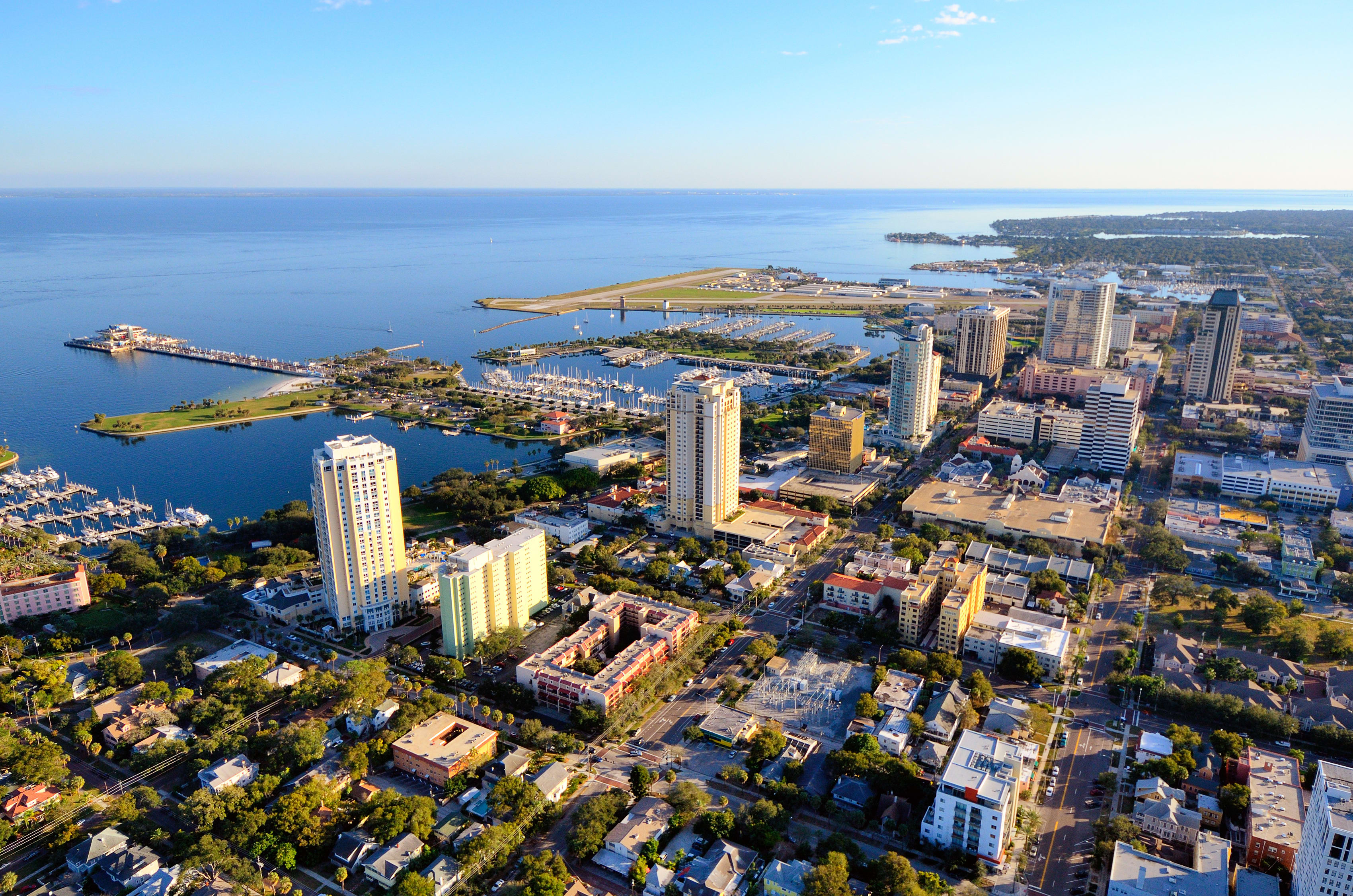
Why So Many People Move to St. Petersburg (And Why Some Leave)
St. Petersburg has become one of the most talked-about places to live in Florida. People move here for the waterfront lifestyle, walkable neighborhoods, restaurants, arts, sunshine, and access to some of the best beaches in the country.
But here is the part a lot of relocation articles skip: St. Pete is not the sleepy Florida city some people remember. It has grown, changed, gotten more expensive, and become a lot busier. Some people love that energy. Some people hate it.
I have lived in Pinellas County since 1978, and I have watched St. Petersburg go from overlooked to one of the most desirable cities on Florida’s Gulf Coast. That growth has created opportunity, but it has also created real tradeoffs with traffic, insurance, flooding, parking, affordability, and quality of life.
If you are thinking about moving to St. Petersburg, this is the honest version — what people love, what frustrates them, and how to decide if St. Pete actually fits your lifestyle.
Quick Answer
St. Petersburg is a great place to live for people who want waterfront access, walkable neighborhoods, restaurants, arts, boating, beaches, and an active outdoor lifestyle. It is especially appealing to retirees, remote workers, condo buyers, and people who want a more urban coastal lifestyle without moving to Miami. The tradeoff is that St. Pete has become more expensive, more crowded, and more complicated than it used to be. Insurance, flood risk, hurricane exposure, traffic, downtown parking, summer heat, and housing costs are all part of the decision now.
Why So Many People Are Moving to St. Petersburg
People do not move to St. Petersburg by accident. They usually come here because the lifestyle is hard to duplicate.
You have the bayfront, beaches nearby, a growing downtown, historic neighborhoods, local restaurants, museums, breweries, parks, boating, fishing, and a year-round outdoor lifestyle. For many buyers coming from colder or more expensive markets, St. Pete feels like a major lifestyle upgrade.
Waterfront Living Without Miami Prices
St. Petersburg gives buyers access to water, beaches, boating, and bayfront living without the same feel as South Florida. It is still expensive, but it has a different pace than Miami, Fort Lauderdale, or Palm Beach.
That is one reason buyers from the Northeast, Midwest, California, and other higher-cost markets continue to look here. They are not just buying a house or condo. They are buying warm winters, sunsets, water access, and a lifestyle they could not get back home.
Walkable Neighborhoods and Downtown Energy
Downtown St. Pete, the Edge District, Grand Central, Crescent Lake, Old Northeast, Kenwood, and parts of the Central Avenue corridor give buyers a more walkable lifestyle than most Florida cities.
That matters. A lot of Florida is car-dependent. In parts of St. Pete, you can walk to coffee, dinner, parks, events, the waterfront, and local businesses. The SunRunner also connects downtown St. Pete toward South Pasadena and St. Pete Beach, giving residents another way to move between downtown and the beach corridor.
If walkability is a major priority, start with my full breakdown of St. Petersburg’s walkable neighborhoods.
Restaurants, Arts, Festivals, and Events
One of the biggest reasons people fall in love with St. Petersburg is that there is almost always something happening. You can spend the morning walking the St. Pete Pier, grab lunch along Beach Drive, visit The Dali Museum, catch a performance at The Mahaffey Theater, and still be home before sunset. Few cities on Florida's Gulf Coast offer that combination of waterfront access, arts, dining, and walkability.
The arts scene is one of the strongest in Florida. The Dali Museum attracts visitors from around the world, the Museum of Fine Arts anchors the downtown waterfront, and the city's murals, galleries, and creative districts have helped shape an identity that feels very different from many other Florida communities. St. Petersburg has evolved into a city where art is part of everyday life rather than something reserved for tourists.
Food is another major reason people choose St. Pete. Beach Drive has become one of the most recognizable dining corridors in Tampa Bay, with longtime favorites such as BellaBrava and Cassis drawing both residents and visitors. You'll also find local staples like Parkshore Grill, waterfront dining near the Pier, neighborhood restaurants throughout the city, craft breweries, coffee shops, and a growing collection of rooftop bars that take advantage of Florida's sunshine and waterfront views.
Many locals would argue that one of the most underrated restaurants in downtown St. Pete is Ford's Garage. While technically a chain, its downtown location has become a popular gathering spot before concerts, sporting events, and waterfront walks. It's the type of place that reflects the casual, social atmosphere many people enjoy about living here.
Downtown also hosts some of the area's biggest annual events, including St. Pete Pride, the Firestone Grand Prix of St. Petersburg, holiday celebrations, waterfront concerts, art festivals, and the St. Petersburg Saturday Morning Market. Many residents find themselves spending entire weekends downtown because there is always something going on.
Of course, that same energy can be a downside for some people. The crowds, traffic, parking challenges, and constant activity that attract one buyer may be exactly what pushes another buyer toward quieter communities such as Seminole, Safety Harbor, Palm Harbor, or certain parts of Largo.
Beaches, Boating, Fishing, and Outdoor Living
St. Pete gives you easy access to the Gulf beaches, Tampa Bay, marinas, boat ramps, fishing, kayaking, paddleboarding, outdoor dining, and parks. If you like being outside, this area gives you a lot to work with.
The tradeoff is that outdoor living in Florida also comes with heat, humidity, storms, bugs, and hurricane season. People who love St. Pete usually accept that tradeoff. People who leave often underestimated it.
No State Income Tax
Florida’s lack of state income tax is a major draw for some relocating buyers, especially retirees, business owners, remote workers, and higher-income households moving from states with heavier income tax burdens.
But no state income tax does not mean low total cost of living. In St. Petersburg, housing, insurance, property taxes, flood insurance, HOA fees, and maintenance can still add up quickly.
Why Remote Workers and Retirees Love St. Pete
St. Pete works well for people who bring their income with them. Remote workers, retirees, snowbirds, and buyers relocating from higher-cost markets often have an easier time absorbing local housing costs.
That is different from someone moving here without a strong income plan. Local wages do not always match the cost of buying or renting in the most desirable parts of St. Petersburg. That gap matters.
The Reality Check: Why Some People Leave
Every city has tradeoffs. St. Petersburg’s tradeoffs are not small anymore.
If you are moving here because you visited for a weekend, had dinner downtown, walked along the pier, and fell in love with the weather, I understand it. But living here full-time is different from vacationing here.
Insurance Costs Are a Major Part of the Budget
Homeowners insurance is one of the biggest surprises for people moving to St. Petersburg. Roof age, wind mitigation, prior claims, flood zone, distance from the water, building age, and carrier appetite can all affect the cost.
Condos are not automatically easier. Condo buyers need to look at HOA fees, master insurance policies, reserves, assessments, milestone inspection issues, building condition, and whether the association is financially prepared for future repairs.
This is one reason I always tell buyers not to shop by purchase price alone. The monthly payment is not just principal, interest, taxes, and insurance. In St. Pete, the real number can change fast once you layer in insurance, flood risk, HOA fees, and maintenance.
Flooding and Hurricanes Are Real
St. Petersburg is a coastal Florida city. Flood zones, storm surge zones, drainage, elevation, and hurricane exposure matter.
After back-to-back storms like Helene and Milton, buyers are asking different questions than they were a few years ago. They want to know elevation. They want to know flood history. They want to understand insurance before making an offer.
Not every home in St. Petersburg carries the same risk. There are inland areas, higher-elevation pockets, and Flood Zone X neighborhoods that may appeal to buyers who want to reduce flood exposure. But “not waterfront” does not automatically mean “no risk.” Every property needs to be checked.
For a deeper flood-risk breakdown, see my page on St. Petersburg Flood Zone X neighborhoods.
Housing Costs Have Changed the City
St. Petersburg used to be a much more affordable place to buy. That has changed.
Downtown condos, historic neighborhoods, waterfront properties, walkable areas, and updated homes have all become much more expensive than they were years ago. Some long-time locals look at today’s prices and say they could not afford to buy their own home if they had to purchase it now.
That is not just a talking point. It affects who moves here, who stays here, and who gets priced out.
If budget is a major concern, it may help to compare St. Pete against other parts of Pinellas County before deciding. My cost of living in St. Petersburg page goes deeper into the numbers.
Traffic Is Not What It Used to Be
Long-time locals know this immediately: traffic in St. Petersburg has changed.
There are more people, more events, more redevelopment, more construction, more seasonal visitors, and more daily congestion than there used to be. Getting across town can feel very different depending on the time of year, the time of day, and what is happening downtown.
If you want quiet streets and easy driving everywhere, St. Pete may frustrate you — especially near downtown, beach routes, major event corridors, and seasonal traffic patterns.
Summer Heat, Humidity, and Storm Season
Florida heat is not a minor detail. Summers are hot, humid, and long. Afternoon storms are common, and hurricane season is part of life here.
People who visit in February or March sometimes get the best version of St. Pete. Living here year-round means experiencing August humidity, insurance renewals, storm prep, evacuation planning, and the reality of maintaining a Florida home in a coastal climate.
Crowds, Tourism, and Seasonal Residents
St. Petersburg is not a hidden gem anymore.
Tourism, snowbirds, events, development, and relocation demand have all made the city busier. Some people love that. They want energy, restaurants, events, and activity.
Others move here expecting relaxed coastal living and realize they would rather live somewhere quieter on the outskirts, such as Seminole, Safety Harbor, Palm Harbor, or parts of unincorporated Pinellas.
Downtown Parking and Urban Growing Pains
Downtown St. Pete is exciting, but it also has city problems. Parking can be frustrating. Traffic can stack up around events. Some areas deal with homelessness, noise, density, and public-space issues that come with a growing urban core.
That does not mean downtown is a bad place to live. It means buyers need to know what they are choosing. If you want to walk out your door to restaurants, parks, museums, and nightlife, downtown may be perfect. If you want quiet evenings and easy parking every day, it may not be.
St. Petersburg Is Not the Same City It Was 10 Years Ago
This may be the most important thing to understand.
St. Petersburg has changed dramatically. Downtown development, new condos, restaurants, luxury apartments, tourism, events, relocation demand, and investor activity have reshaped the city.
For some people, that growth made St. Pete better. There is more to do, more dining, more culture, more energy, and more recognition.
For others, the city lost some of the slower, easier, local feel it once had. Parking is harder. Traffic is heavier. Prices are higher. Insurance is more complicated. Some neighborhoods feel very different than they did years ago.
That is why “Should I move to St. Petersburg?” is not a simple yes or no question. It depends on what version of St. Pete you are looking for.
If you want an active coastal city with walkability, culture, and energy, St. Pete may be one of the best fits in Florida.
If you want quiet suburban living, lower costs, larger lots, and less activity, another part of Pinellas County may fit you better.
Who Usually Loves Living in St. Petersburg?
St. Petersburg is not for everyone, but some buyers absolutely thrive here.
Remote Workers
Remote workers often love St. Pete because they can bring outside income into a lifestyle market. They get coffee shops, waterfront parks, restaurants, gyms, beaches, and a social scene without giving up their current job.
Retirees and Active Adults
Retirees often like the weather, healthcare access, beaches, walking areas, social opportunities, and no state income tax. For some, a condo or low-maintenance home near downtown, the water, or a walkable corridor is exactly what they want.
Boaters, Fishermen, and Outdoor People
If your lifestyle revolves around the water, St. Pete makes a lot of sense. Tampa Bay, the Gulf, marinas, boat ramps, fishing, kayaking, and paddleboarding are all part of daily life here.
Condo Buyers
St. Petersburg has a strong condo market, especially downtown and near the water. Condo living can work well for buyers who want views, amenities, security, walkability, and lower exterior maintenance responsibilities.
But condo buyers need to be careful. HOA fees, reserves, inspections, insurance, special assessments, and building age matter more than ever.
Walkability Seekers
Florida does not have many truly walkable places. St. Pete has several. If you want to walk to dinner, coffee, parks, shopping, museums, events, or the waterfront, St. Petersburg gives you options that many Florida cities do not.
Who Might Be Happier Somewhere Else?
This is where local guidance matters. Sometimes the right answer is not St. Pete.
Buyers Who Want Quiet Suburbs
If you want a quieter suburban feel, you may prefer Seminole, Palm Harbor, East Lake, Safety Harbor, or certain parts of Largo. These areas can offer a calmer pace, different housing options, and in some cases easier day-to-day living.
Families Prioritizing Specific School Zones
Some families love St. Pete. Others end up looking farther north or east depending on school priorities, commute needs, budget, and lifestyle. School fit is personal, and it should be researched property by property.
Buyers Who Hate Traffic and Crowds
If traffic, parking, tourists, events, and density bother you, downtown St. Pete and the busier corridors may not be your best fit. You may be happier on the outskirts, where daily life feels less compressed.
Buyers on a Tight Budget
St. Pete can still offer options, but the most desirable walkable and waterfront areas are not cheap. Buyers with tighter budgets may need to consider inland areas, smaller homes, older condos, or nearby cities.
Buyers Who Want Large Lots or Newer Homes
Much of St. Petersburg is built out. If you want a newer home, large lot, three-car garage, or master-planned suburban feel, you may need to look outside the city core.
What Locals Wish Buyers Knew Before Moving Here
Here is the straight answer from someone who has watched this area change for decades.
Flood Zone and Elevation Are Not the Same Thing
A flood zone matters, but elevation matters too. Two homes in the same general area can have very different risk profiles depending on exact location, elevation, drainage, and construction.
Never assume. Check the FEMA flood map, local flood resources, elevation, insurance quotes, and property history before making a decision.
Insurance Should Be Checked Early
Do not wait until the end of the contract period to understand insurance. Get quotes early. Look at roof age, wind mitigation, four-point issues, electrical, plumbing, HVAC, flood zone, and claims history.
Insurance can change the entire affordability picture.
Condo Fees Need Real Review
Do not just look at the condo price. Look at HOA fees, reserves, insurance, maintenance history, milestone inspection concerns, structural work, assessments, rental rules, pet restrictions, and building age.
Some condos that look affordable on price may be less affordable once the full monthly cost is understood.
The Best Area Depends on Your Daily Life
The best neighborhood is not the one that looks best on Instagram. It is the one that fits how you actually live.
Do you want to walk to restaurants? Be near the beach? Avoid flood zones? Keep insurance manageable? Have a shorter Tampa commute? Live near parks? Avoid downtown parking? Be closer to family? Those answers should drive the search.
For neighborhood comparisons, use my best neighborhoods in St. Petersburg breakdown.
Visit Like a Resident, Not a Tourist
Before buying, spend time here the way you would actually live.
- Drive the area during rush hour.
- Visit during season.
- Check parking at night.
- Walk the neighborhood in the evening.
- Look at flood maps and storm surge zones.
- Price insurance before falling in love with the house.
- Compare downtown living against quieter areas nearby.
A weekend vacation is not enough to understand a city.
Is St. Petersburg Still Worth It?
Yes — for the right person.
St. Petersburg is still one of the most desirable places to live in Florida. The lifestyle is real. The water is real. The walkability is real. The restaurants, arts, parks, events, beaches, and outdoor lifestyle are why people keep moving here.
But the downsides are real too.
This is not the cheapest place to live. It is not the quietest. It is not risk-free from storms or flooding. It is not as easy as it used to be. And if you are buying, you need to understand the full cost of ownership before making a decision.
That is why the best move is not asking, “Is St. Petersburg good or bad?”
The better question is:
Does St. Petersburg fit your lifestyle, budget, risk tolerance, and long-term plan?
If it does, it can be an incredible place to live. If it does not, there are other Pinellas County communities that may fit you better.
Dive deeper into neighborhoods, flood zones, lifestyle, and local market trends in our Pinellas County Real Estate Resource Center.
Frequently Asked Questions
Is St. Petersburg Florida a good place to live?
Yes, St. Petersburg can be a great place to live if you value waterfront access, walkability, restaurants, arts, beaches, and outdoor living. It may not be the best fit if you want lower housing costs, quiet suburban streets, minimal traffic, or very low insurance exposure.
Why are so many people moving to St. Petersburg Florida?
People move to St. Petersburg for the weather, waterfront lifestyle, downtown energy, beaches, restaurants, arts, boating, and no state income tax. Many relocating buyers also come from colder or more expensive markets where St. Pete feels like a major lifestyle upgrade.
What are the biggest downsides of living in St. Petersburg?
The biggest downsides are rising housing costs, homeowners insurance, flood insurance, hurricane risk, traffic, summer heat, downtown parking, and increased crowds. These issues do not affect every property the same way, but they should be part of the decision.
Is St. Petersburg Florida expensive?
St. Petersburg is more expensive than it used to be, especially in walkable, waterfront, and downtown areas. Buyers should look beyond the purchase price and factor in insurance, taxes, HOA fees, flood risk, utilities, and maintenance.
Is St. Petersburg Florida safe?
Safety varies by neighborhood, block, and lifestyle. Many areas are popular and highly desirable, while parts of the city have more urban issues. Buyers should research crime data, visit at different times of day, and compare neighborhoods before deciding.
What should I know before moving to St. Petersburg?
You should understand flood zones, storm surge, elevation, insurance costs, traffic patterns, downtown parking, summer weather, and how much the city has changed. You should also compare St. Pete against quieter nearby areas before choosing a neighborhood.
Is St. Petersburg better than Tampa?
St. Petersburg is often better for buyers who want beaches, waterfront lifestyle, walkability, and a smaller-city coastal feel. Tampa may be better for buyers who want more job centers, suburban options, newer construction, and broader commuting access. For a full comparison, see St. Pete vs Tampa.
What are the best neighborhoods in St. Petersburg?
The best neighborhood depends on your budget and lifestyle. Downtown, Old Northeast, Crescent Lake, Kenwood, Snell Isle, Shore Acres, Jungle Terrace, Lakewood Estates, and Gulfport-adjacent areas all appeal to different types of buyers. Start with my St. Petersburg neighborhood breakdown.
Do I need flood insurance in St. Petersburg?
If the property is in a high-risk flood zone and you have a mortgage, flood insurance is typically required. Even outside high-risk zones, many buyers still choose flood coverage because St. Petersburg is a coastal city with storm and drainage exposure.
Is St. Petersburg a good place to retire?
Yes, St. Petersburg is popular with retirees because of the weather, beaches, healthcare access, restaurants, arts, parks, and no state income tax. Retirees should still review insurance, flood risk, condo fees, healthcare access, and long-term affordability before buying.
Plan Your Move With Local Insight
If you are thinking about moving to St. Petersburg, do not rely only on national rankings, weekend visits, or pretty listing photos. The right decision depends on the neighborhood, flood zone, insurance picture, monthly cost, commute, and lifestyle fit.
When I work with buyers and sellers in St. Petersburg, I help them look at the full picture:
- Neighborhood fit
- Flood zone and elevation concerns
- Insurance and four-point issues
- Walkability and lifestyle
- Condo fees and association risk
- Long-term resale value
- Realistic monthly ownership costs
Book a 30-Minute Planning Call

Todd Howard, Realtor® | Charles Rutenberg Realty
GRI • RENE • PSA • SRS • ABR
📞 (727) 304-3398 | 📨 toddhowardpa@gmail.com
Sources
Disclaimer: This guide is for general educational purposes only and is not legal, tax, insurance, or financial advice. Always verify exact costs, taxes, flood zones, insurance requirements, and property-specific risks with the appropriate professionals and official county, state, and federal sources before making decisions.