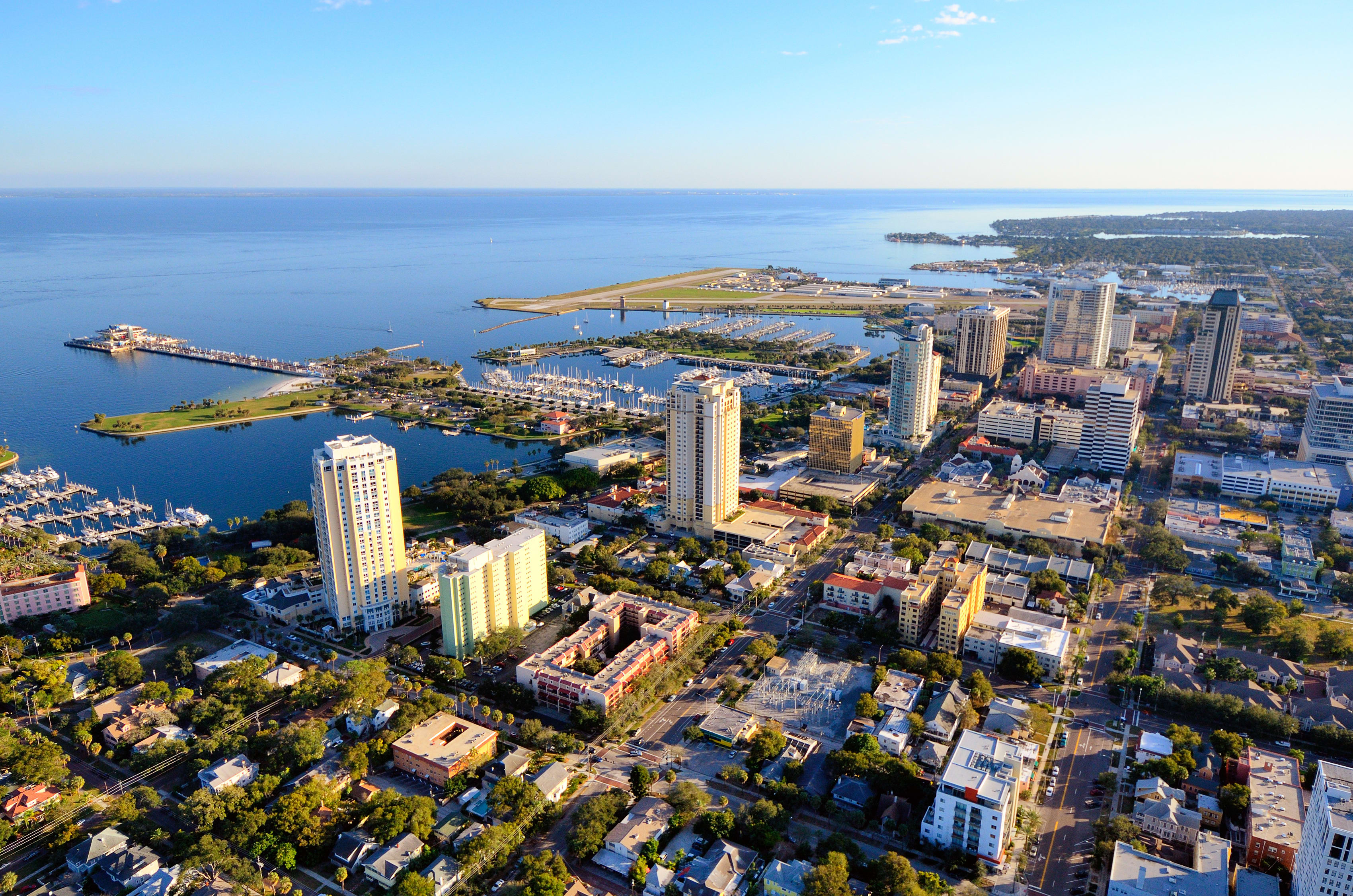

🏠 Sell Your Home in Pinellas County: 4-Point Inspections, Staging & Smart Marketing
Updated January 2026
If you’re planning to sell your home in Florida, you’re entering one of the most competitive markets in years. 🏡 Buyer caution, higher insurance costs, and post-storm repairs mean sellers can’t rely on the old “list it and leave it” approach. Today’s listings need verified condition, professional presentation, and proactive marketing to earn top-tier offers.
That’s why I include a 4-Point inspection and certified appraisal with every listing — so your home stands out as Pre-Inspected & Appraised before it even hits the market. Combine that with targeted staging and geo-focused marketing, and you’ll be positioned to sell faster and for more money.
Quick Answer:
Selling your home faster in Pinellas County requires verified condition, professional presentation, and strategic marketing. Homes that are pre-inspected, appraised, staged, and professionally marketed attract stronger buyers, reduce negotiation friction, and typically sell quicker and for higher prices.
🌪️ What Changed After the 2024 Hurricanes
Two major storms in 2024 reshaped buyer behavior throughout the Tampa Bay region. Even though Pinellas County avoided catastrophic damage, buyers are now laser-focused on flood risk, roof age, insurance eligibility, and system condition. Many listings are vacant, inherited, or insurance-challenged. (Source: Florida Realtors®, FEMA Flood Map Service Center)
As a seller, your goal is to prove your home is “sell-ready” with verified condition and documentation. That’s how you command stronger offers and shorter market times in today’s market.
See how storm recovery and insurance shifts are impacting pricing in the Pinellas County Market Report
🛋️ Why Empty Homes Must Be Staged
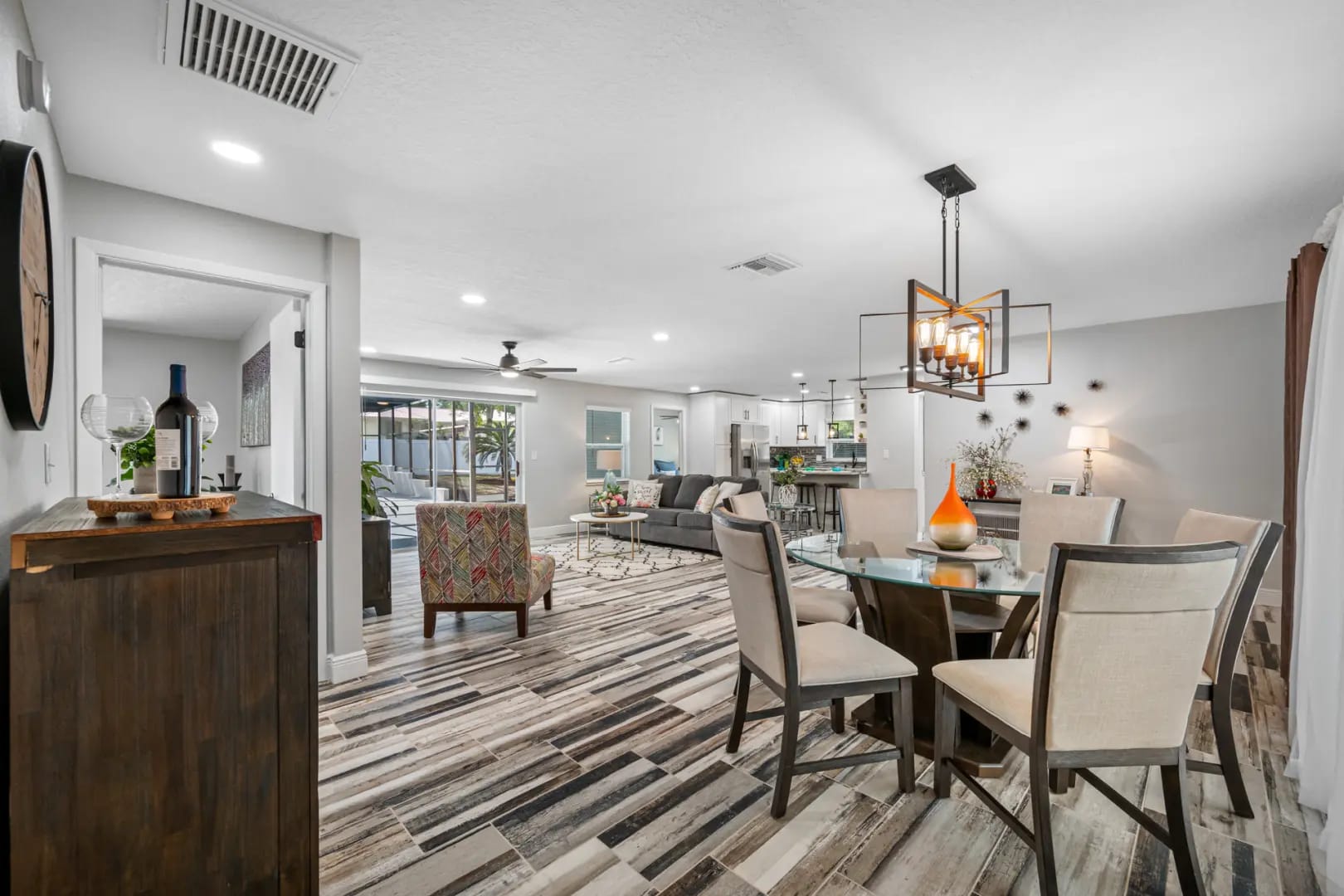
If your home will be vacant before sale, staging is no longer optional — it’s strategic. Unfurnished homes tend to feel smaller and colder, and buyers struggle to visualize their furniture. Worse, empty rooms highlight flaws instead of features.
🏡 Staged homes sell 6–10% faster and for 5–11% more than vacant homes. (Source: NAR Home Staging Report)
🛋️ Empty homes stay on market significantly longer on average when compared to staged homes. (Source: NAR Home Staging Report)
📸 Unstaged rooms underperform in MLS photos, virtual tours, and social ads because buyers rely heavily on first-impression visuals. (Source: Florida Realtors®)
I help sellers use targeted, cost-effective staging for key rooms to create warmth and scale without breaking budget. When paired with professional photography and drone aerials, it transforms online presentation and buyer engagement.
🔍 4-Point Inspections & Appraisals
Today’s buyers want peace of mind — especially after recent storms. That’s why I cover the cost of a professional 4-Point inspection and certified appraisal before we list your home. These reports verify that core systems (roof, HVAC, electrical, plumbing) are insurable and help justify your price with third-party credibility. (Source: Florida Realtors®, major Florida insurance underwriting standards)
- ✅ Confirms the home is eligible for insurance and financing.
- 📊 Backs up pricing with an independent valuation report.
- 🎯 Lets us market as “Pre-Inspected & Appraised” to stand out on MLS and social feeds.
This approach eliminates surprises and positions your home as a safe, verified choice for today’s cautious buyers.
📈 Seller Strategy
The days of simply listing and waiting are gone. Successful Pinellas sellers now use a data-driven approach to generate urgency and confidence by proving condition, strengthening buyer trust, and maximizing online exposure in the first 7–10 days on market. My listing strategy includes:
- 📸 Pro photography + drone aerials for visual impact
- 🧾 Pre-listing inspection & appraisal to remove buyer guesswork
- 🛋️ Staging for key rooms to show scale and style
- 📍 Geo-targeted social ads + buyer database campaigns
- 📈 Weekly analytics on views, clicks and showings
Want to see where today’s market leans? Check the Pinellas County Buyers vs. Sellers Market Update to gauge negotiation power before listing.
Bonus for sellers ➡️ I build custom buyer packets including your inspection, appraisal summary, insurance quote guidance, and upgrade list. That means fewer showings, faster offers and stronger terms.
❓ FAQ — Selling Your Home Fast in Pinellas County
What is the hardest month to sell a house?
There is no single month that is always the hardest, but slower periods usually show up in late summer, early fall, and around the holiday season when buyer activity naturally cools off. In Florida, that can be even more noticeable when buyers are thinking about hurricane season, insurance costs, roof age, flood zones, and overall property condition. A home that feels risky or overpriced during a cautious market will usually sit longer than a home that feels clean, well-prepared, and easy to insure. That is why timing matters less than strategy. If the home is priced right, presented well, and buyer objections are handled upfront, sellers can still move quickly even during slower stretches of the year.
How much are closing costs on a $400,000 house in Florida?
On a $400,000 home in Florida, seller closing costs often land somewhere around 6% to 10% of the sale price, depending on commission, title-related charges, taxes, and whether the seller agrees to any buyer concessions. That means a rough estimate could be about $24,000 to $40,000 total. The biggest pieces are usually the real estate commission, documentary stamp tax on the deed, owner’s title insurance in many Florida counties, and prorated property taxes. The exact amount can vary based on the county, the title company, the terms negotiated in the contract, and whether repairs or credits are part of the deal. The smartest move is to look at estimated net proceeds before listing so you know exactly what you are working with.
What is the 3-3-3 rule in real estate?
The 3-3-3 rule is a simple way to judge how well a listing is performing after it hits the market. Agents may explain it a little differently, but it usually means watching the first 3 days, the first 3 weeks, and the first 3 key pricing signals or rounds of buyer feedback. The first 3 days tell you whether the launch created real attention. The first 3 weeks usually reveal whether buyers see the home as properly priced and worth pursuing. If the market response is weak early, the rule is really a reminder not to wait too long to fix pricing, condition issues, staging, or marketing before the listing goes stale.
What devalues a house most?
The biggest things that devalue a house are poor condition, outdated major systems, bad pricing strategy, and location-related concerns that buyers cannot change. In Florida, roof age, electrical issues, older plumbing, HVAC problems, flood risk, insurance challenges, and visible deferred maintenance can all hurt value fast because buyers immediately start calculating risk and future costs. A vacant or unstaged home can also feel less inviting and make flaws stand out more than they should. Overpricing is another major value killer because once a home sits too long, buyers begin to assume something is wrong with it. The homes that protect value best are the ones that feel clean, documented, insurable, and move-in ready from day one.
What are common home selling mistakes?
Some of the most common home selling mistakes are overpricing, skipping preparation, using weak photos, ignoring needed repairs, and waiting too long to react when the market is not responding. Sellers also run into trouble when they assume buyers will overlook issues like an older roof, outdated electrical panels, worn flooring, or insurance concerns. In Florida especially, buyers are more cautious than they used to be, so uncertainty around condition can slow a sale or lead to lower offers. Another mistake is listing a vacant home without staging or a plan to make it feel warm and inviting online. The best results usually come from treating the launch seriously, removing buyer objections early, and making the first week count.
Who typically pays closing costs in FL?
In Florida, both the buyer and seller usually have closing costs, but they pay different categories of expenses. Sellers commonly pay the real estate commission, documentary stamp tax on the deed, and in many Florida transactions the owner’s title insurance policy. Buyers often pay lender costs, appraisal fees, inspections, survey if needed, and other loan or escrow-related expenses. That said, every deal is negotiable, and sometimes sellers agree to contribute toward buyer costs to help get the transaction done. The final breakdown depends on the contract, the county custom, and the leverage each side has during negotiations.
Do sellers pay property taxes at closing in Florida?
Yes, sellers typically pay their share of property taxes at closing in Florida through a prorated adjustment. That means the seller pays for the portion of the year they owned the property, and the buyer takes over from the closing date forward. Even if the bill has not been paid yet for the current year, the closing statement usually accounts for that responsibility so each side pays its fair share. This is a normal part of the settlement process and shows up on the closing disclosure or settlement statement. It is one of those costs sellers should expect, but it usually does not come as a surprise when the numbers are reviewed upfront.
How to avoid capital gains tax when selling a house in Florida?
Many homeowners can avoid capital gains tax by qualifying for the primary residence exclusion. In general, if you owned and lived in the home as your primary residence for at least 2 of the last 5 years before the sale, you may be able to exclude up to $250,000 in gain if single or up to $500,000 if married filing jointly. Florida does not have a separate state capital gains tax, but federal tax rules still apply. Not every seller qualifies, especially with rentals, inherited properties, second homes, or homes that were converted from investment use to personal use. Because of that, this is one area where it is worth speaking with a CPA or tax professional before listing so you understand your real net proceeds.
How do I sell my house fast in Florida?
To sell your house fast in Florida, you need to remove buyer hesitation before the listing goes live. That usually means pricing correctly from the start, handling obvious repairs, making the home show well, and giving buyers confidence about condition, insurability, and value. Professional photography matters, but so do the things behind the photos, like roof age, plumbing, electrical, HVAC, and whether the home feels like a smooth transaction instead of a risky one. In today’s Florida market, homes that are prepped, documented, staged when needed, and aggressively marketed in the first week usually outperform homes that simply get listed and wait. Speed comes from preparation and strategy, not from hoping the market does the work for you.
How quickly are homes selling in Florida?
How quickly homes sell in Florida depends on price point, location, condition, competition, and buyer confidence. A well-prepared home that is priced properly can attract strong interest right away and go under contract quickly, sometimes within the first week or two. A home that is overpriced, poorly presented, or carries obvious insurance or repair concerns can sit much longer and require price reductions. In markets like Pinellas County, buyers tend to move fastest on homes that feel clean, updated, and easy to understand from both a condition and cost standpoint. The first 7 to 10 days are usually the most important window because that is when the listing gets its strongest wave of attention.
What sells a house the fastest?
The things that sell a house the fastest are correct pricing, strong presentation, and low perceived risk for the buyer. That means the home needs to look good online, show well in person, and make buyers feel confident about what they are getting. Cleanliness, staging, lighting, photos, and curb appeal all matter, but so do roof condition, insurance readiness, and whether major systems appear to be in solid shape. Buyers move faster when they feel they are looking at a home that has been cared for and priced realistically. The fastest sales usually happen when there is a smart launch plan, not when a seller just puts the property on the market and hopes for activity.
How to win multiple offers on a house?
The best way to create multiple offers as a seller is to make the home feel desirable, well-priced, and safe to pursue. Multiple-offer situations usually happen when a home enters the market with strong presentation, compelling photos, clear value, and pricing that invites attention instead of scaring buyers away. If the home also feels move-in ready or well-documented, buyers are more likely to act quickly and compete. A strong launch strategy matters because the first few days are when buyer urgency is highest. When enough interest builds at once, sellers are in a much better position to negotiate not just price, but also terms, timelines, and contingencies.
What is required to pass a 4 point inspection in Florida?
A 4-point inspection in Florida focuses on four major systems: roof, electrical, plumbing, and HVAC. There is not a universal “pass” standard in the same way there is for a school test, but the goal is for those systems to appear functional, safe, and acceptable to an insurance company. Problems like an older roof with limited remaining life, active leaks, unsafe electrical components, outdated panels that insurers dislike, plumbing leaks, or a non-working HVAC system can all create issues. In practical terms, a home performs much better when these systems are in solid working order and do not raise major red flags for insurability. That is one reason sellers who deal with condition concerns before going live often have fewer delays and smoother negotiations.
✅ Next Steps & Contact
Ready to position your home for top dollar? Let’s review your property condition, inspection results and marketing plan together. You’ll walk away with a clear, data-driven path to your ideal sale price.
Get Your Home Value & Selling Plan
Book a 30-Minute Planning Call

Your Local Real Estate Advisor
Todd Howard, Realtor® | Charles Rutenberg Realty
GRI • RENE • PSA • SRS • ABR
Serving Pinellas County since 2018
📞 (727) 304-3398 | 📨 toddhowardpa@gmail.com
Sources:
Pinellas Realtor® Organization (PRO)
Disclaimer: This guide is for general educational purposes only and is not legal, tax, or financial advice. Always verify exact costs, taxes, and insurance with the appropriate professionals and official county or state sources before making decisions.