Best Walkable Neighborhoods in Clearwater, FL 🚶♂️🌴
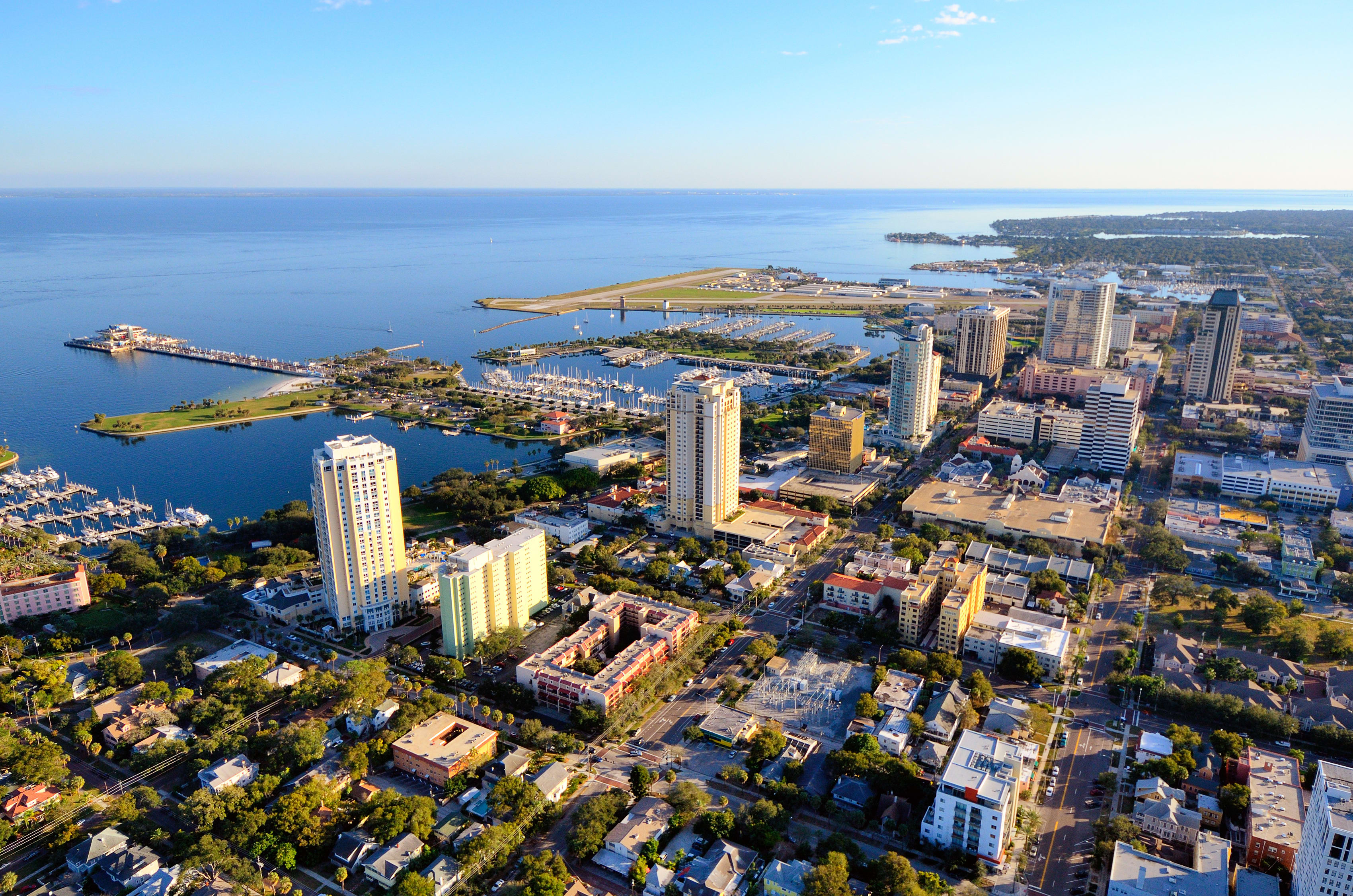
Clearwater is known for sugar-sand beaches and sunsets, but if you actually live here, walkability matters just as much as water views. The good news? You can have both. From downtown streets near Coachman Park and the Pinellas Trail to historic bayside blocks and condo communities close to shopping, Clearwater offers several neighborhoods where you can park the car and live more of your life on foot.
Browse Active Listings: Browse Clearwater homes on the MLS and create your search
In this guide, I’ll walk you through Clearwater’s most walkable areas, how they feel on the ground, and what to know about traffic, parks, and flood considerations so you can match your lifestyle to the right neighborhood.
Quick Answer
The most walkable neighborhoods in Clearwater are Downtown Clearwater and the Cleveland Street District, Old Clearwater Bay, and Island Estates. These areas offer the best mix of access to parks, waterfront views, the Pinellas Trail, restaurants, and everyday conveniences. Buyers who prioritize walkability in Clearwater typically focus on these pockets to balance lifestyle, location, and long-term value while still considering flood zones and commute routes.
Clearwater Walkability at a Glance
Clearwater has just over 117,000 residents and a mix of older in-town neighborhoods, coastal islands, and more suburban pockets toward Countryside. As a built-out coastal city, the most walkable areas tend to cluster around:
- Downtown & Cleveland Street District – walkable to Coachman Park, Pinellas Trail, restaurants, and events.
- Historic waterfront corridors like Old Clearwater Bay/Old Bay District with sidewalks and easy access to downtown and the causeway.
- Island Estates & nearby condos where you can walk or bike to groceries, waterfront dining, and the beach bridge.
On the planning side, Pinellas County and the City of Clearwater have focused a lot of energy on multimodal transportation—sidewalks, trails, and transit—as part of long-range mobility plans. That’s great news if you care about being able to walk to daily needs instead of driving everywhere.
If you are comparing neighborhoods, a good starting point is to pair this guide with a ZIP overview and flood-zone check so you understand both lifestyle and risk:
- View the Pinellas County ZIP Code Map to see how Clearwater fits into the larger area
- Read my Flood Zones in Pinellas County guide before you fall in love with a house
Why Walkability Matters for Clearwater Buyers
In a coastal market like Clearwater, walkability is more than a nice-to-have. It impacts:
- Daily quality of life – Can you walk to coffee, parks, or the waterfront without loading up the car every time?
- Commute time – Being near SR-60, the Bayside Bridge, or major bus routes can make Tampa or St. Pete commutes far easier.
- Home value resilience – Houses and condos in walkable, amenity-rich areas often hold demand better through market cycles.
- Parking & guests – In denser parts of Clearwater, off-street parking and guest spaces matter more than people realize.
- Flood and insurance risk – Some of the most walkable areas are also close to the water; understanding elevation and flood zones matters before you write an offer.
My role is to help you balance all of that—walkability, commute, budget, flood comfort level, and long-term resale—so you are not just buying a pretty house, you are buying the right daily life.
Downtown Clearwater & Cleveland Street District
Vibe: Urban-suburban mix, evolving, walkable to parks, trail, and events.
Downtown Clearwater and the Cleveland Street District are the heart of the city’s walkable core. You can stroll to:
- Coachman Park for concerts, waterfront paths, and festivals.
- Cleveland Street for restaurants, coffee shops, and local businesses in a pedestrian-friendly streetscape.
- The Pinellas Trail for biking or walking miles north toward Dunedin or south toward Largo and St. Pete.
Who it fits best:
- Buyers who want to walk to events, dining, and the waterfront.
- People who like a “park once and enjoy” lifestyle for evenings and weekends.
- Those who want easy access to Clearwater Beach via the causeway but prefer to live on the mainland.
Housing mix: Mid-rise condos, apartments, and a mix of older homes in surrounding blocks. Prices vary widely depending on age, view, and building amenities.
Walkability tips:
- Check how far your specific building is from the waterfront, trail access points, and everyday errands like groceries.
- Ask about parking (assigned vs. open) and guest spaces if you entertain a lot.
- Layer in a flood-zone review so you understand your elevation, insurance, and long-term risk profile.
Old Clearwater Bay & Old Bay District
Vibe: Historic, coastal, quietly walkable with a neighborhood feel.
Just north of downtown, the Old Clearwater Bay/Old Bay District area stretches along Clearwater Harbor with a mix of historic bungalows, waterfront homes, and smaller multifamily properties. The area offers:
- Sidewalks along residential streets and access to the waterfront.
- Short drives or quick bike rides into downtown, Dunedin, or out to the beach.
- A more “lived-in” local feel than the main tourist corridors.
Who it fits best:
- Buyers who want character homes or low-rise condos near the water.
- People who like to walk the neighborhood, see the bay, and still be a quick hop to downtown.
- Those who want a quieter alternative to the direct beach strip but still want salt air and sunset walks.
Key considerations:
- Many homes are older, so understanding renovation history, insurance, and 4-point inspection issues is important.
- Parts of the neighborhood are in lower-lying areas; flood-zone and elevation checks are a must before you write an offer.
Island Estates & Waterfront Condo Living
Vibe: Boating, walkable island living with car-optional days.
Island Estates sits between mainland Clearwater and Clearwater Beach and offers a very specific type of walkable lifestyle: you’re on an island, surrounded by water, with many day-to-day needs close by.
- Groceries & daily errands on or near the island.
- Restaurants and waterfront spots within a short walk or bike ride.
- Quick access across the bridge to Clearwater Beach and mainland routes.
Who it fits best:
- Buyers who want condo or townhome living with strong water access.
- Boaters and water lovers who care more about docks and views than large yards.
- Second-home buyers and snowbirds who want low-maintenance walkable coastal living.
Key considerations:
- Most of Island Estates is in coastal flood zones; insurance, elevation, and long-term resiliency planning are part of the conversation.
- Parking, rental rules, and HOA budgets vary a lot by building—important to understand if you are thinking about part-time use or future rental potential.
Other “Car-Light” Neighborhood Belts
Beyond the obvious walkable cores, there are several “car-light” belts in Clearwater where you may not be in a true downtown, but you can still walk or bike to a lot of what you need.
- Areas near major shopping corridors (like parts of Countryside and Northwood) with sidewalks and nearby plazas.
- Neighborhoods close to parks and schools where kids can walk or bike on local streets.
- Blocks near the Pinellas Trail connection points, where you can bike into Dunedin or south toward Largo and St. Pete without dealing with major road traffic.
If you tell me what “walkable” means to you—coffee and yoga, playgrounds and schools, or groceries and medical—I can narrow these belts down quickly and overlay budget, commute, and flood comfort.
Create Clearwater MLS Alerts: Set up custom MLS alerts for the walkable areas that fit your lifestyle
How to Choose the Right Walkable Area for You
Every buyer’s version of walkable is a little different. Here’s how I help clients break it down:
- Step 1 – Lifestyle first: Do you want nightlife and events, or quiet streets with sidewalks and parks?
- Step 2 – Commute reality: How often are you driving to Tampa, St. Pete, or the airport? We look at bridge routes, SR-60, and realistic drive times, not just a pin on a map.
- Step 3 – Flood comfort level: Are you okay with waterfront and higher insurance for the lifestyle, or do you want higher-ground options with lower risk?
- Step 4 – Budget bands: We align your price range with specific buildings, streets, and micro-areas instead of guessing.
- Step 5 – Future resale: We look at demand trends so your walkable lifestyle today still makes sense if you need to sell in 3–10 years.
If you are relocating to the area, you may also want to pair this guide with my bigger-picture resources:
- Read my Cost of Living in Pinellas County guide to understand big-picture expenses
- Use my Tampa Bay Relocation Guide to compare Clearwater with nearby cities
- Review the Tampa Bay Transportation & Commuting guide if you will be driving bridges regularly
Work With a Local Realtor Who Understands Walkability & Flood Risk
Most online neighborhood write-ups stop at restaurants and “vibes.” That’s not enough when you are investing hundreds of thousands of dollars in a home near the water.
When we work together, I bring:
- Hyper-local knowledge since 1979 – I grew up here, and I know how these neighborhoods feel at 7 a.m. on a school day and 7 p.m. after a beach concert.
- Walkability plus reality – We look at sidewalks, parks, trail access, grocery runs, and bridge traffic—not just a walk score number on a website.
- Flood, insurance, and inspection awareness – You get guidance that balances walkable, coastal living with real-world risk, insurance costs, and inspection issues.
- Data-driven home search – I use local stats, neighborhood trends, and on-the-ground experience to keep your decision clear and confident.
For buyers:
- Review my Purchase Plan to see how I guide buyers step by step
- Check out the Pinellas Home Buyer’s Guide for deeper pre-planning
For sellers who own in these neighborhoods:
- Get Your Price & Sale Plan for your Clearwater home
- Book a 30-minute call to talk strategy before you list
Dive deeper into neighborhoods, flood zones, lifestyle, and local market trends in our Pinellas County Real Estate Resource Center.
Frequently Asked Questions
What are the best neighborhoods in Clearwater, Florida?
For buyers prioritizing walkability, the best neighborhoods in Clearwater are Downtown Clearwater and the Cleveland Street District, Old Clearwater Bay, and Island Estates. These areas offer the strongest ability to walk to parks, waterfront areas, restaurants, and the Pinellas Trail. Other neighborhoods may offer value or space, but they typically require more driving for daily activities.
What are the nicest neighborhoods in Clearwater, Florida?
The nicest neighborhoods depend on what you value, but for a walkable lifestyle, Downtown Clearwater, Island Estates, Sand Key, and Clearwater Harbor areas tend to stand out. Buyers looking for walkability often prioritize access to the water, nearby dining, and everyday convenience rather than just home size or price.
Is north or south Clearwater better?
For walkability, south and central Clearwater—especially near Downtown and the waterfront—typically offer better access to restaurants, parks, and events. North Clearwater areas like Countryside are more suburban and convenient but usually require more driving for day-to-day activities.
Is it cheaper to live in Clearwater or St. Pete?
Costs vary by neighborhood, but in Clearwater, walkable areas near the beach or downtown often carry a premium compared to more suburban pockets. Buyers choosing walkability are usually trading some price flexibility for convenience, lifestyle, and long-term demand stability.
Which is better, St. Pete or Clearwater?
If walkability is your priority, both cities offer strong options, but in different ways. Clearwater’s walkability is more concentrated in specific areas like Downtown and Island Estates, while St. Pete has a larger continuous downtown grid. Clearwater tends to appeal more to buyers who want walkability combined with beach and waterfront access.
Where is the best buy in Clearwater?
For walkability-focused buyers, the best value is often found just outside the most obvious hotspots. Areas near Downtown Clearwater or close to the Pinellas Trail can offer a strong balance of price, lifestyle, and future resale potential without paying full beachfront or core pricing.
What do relocation buyers usually like best in Clearwater?
Relocation buyers looking for walkability usually focus on three things: proximity to the waterfront, access to restaurants and parks, and the ability to reduce daily driving. Downtown Clearwater, Old Clearwater Bay, and Island Estates tend to check the most boxes for buyers coming from more walkable cities.
Book a 30-minute call to build your Clearwater walkability plan

Your Local Real Estate Advisor
Todd Howard, Realtor® | Charles Rutenberg Realty
GRI • RENE • PSA • SRS • ABR
Serving Pinellas County since 2018
Phone: (727) 304-3398
Email: toddhowardpa@gmail.com
Sources
- City of Clearwater – official city information, maps, neighborhood tools, and mobility planning
- Pinellas County – countywide services, planning, and transportation information
- Forward Pinellas – Active Transportation Plan for bicycle and pedestrian mobility
- Data USA – Clearwater demographic and housing overview